
Garland · Rowlett · Rockwall · Lake Ray Hubbard
Water Damage Hardwood Floor and Carpet Help in Garland
Carpet soaked, hardwood cupping or water trapped under a floor after a leak? Call us any time. Our local restoration professionals remove accessible water, inspect the flooring layers and explain what can be dried or needs removal after the source is stopped.
- Calls answered 24/7
- Local restoration professionals
- Garland and lake-area towns
Our Wet Floor and Carpet Services in Garland
- Water extraction from carpet. Your technician removes surface water and checks the backing and pad; dry-looking pile does not prove the layers below are dry.
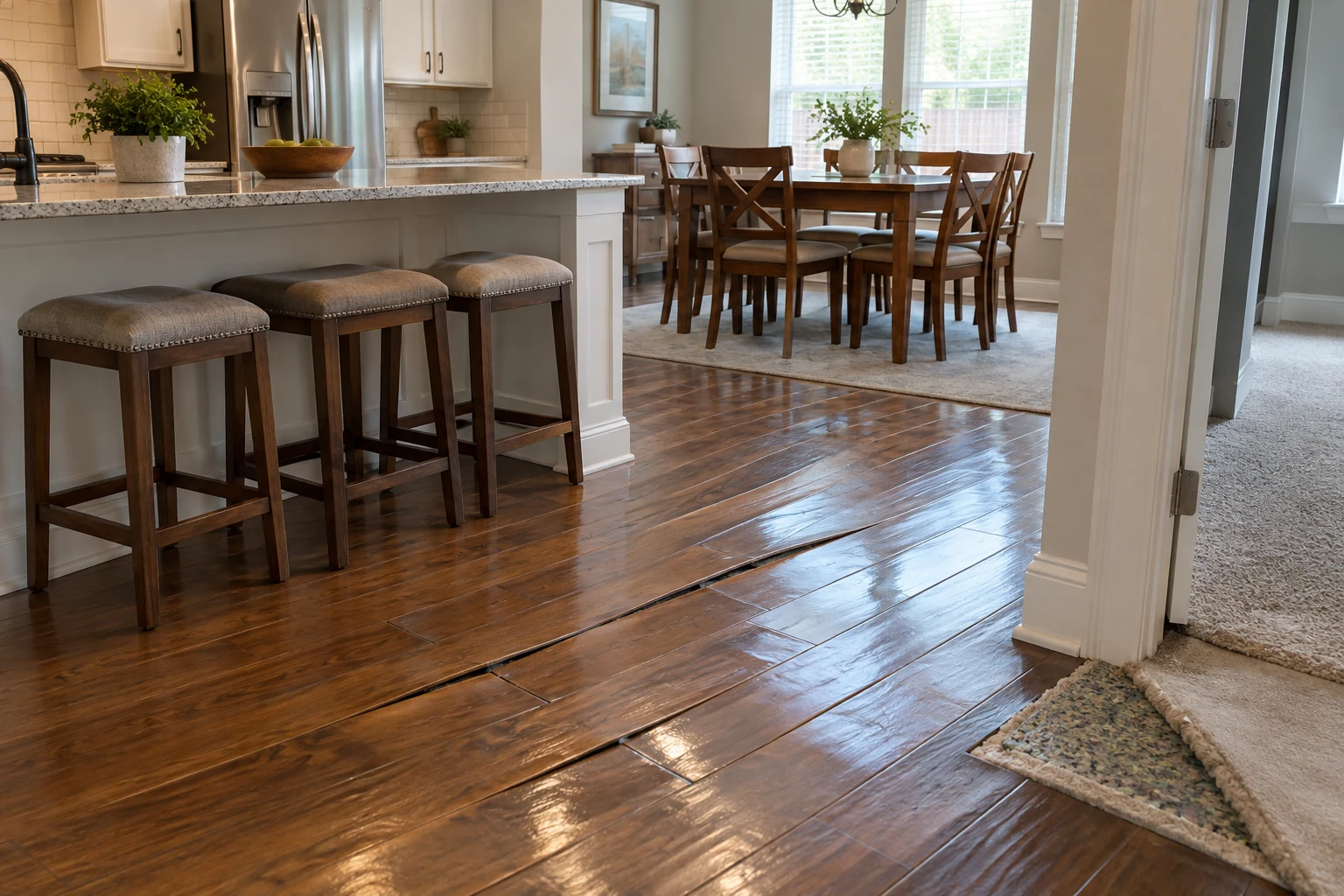
- Hardwood and subfloor inspection. Cupping, swelling or a damp edge can signal water beneath wood. The proposed drying rate and any removal depend on the actual material.
- Laminate, tile and underlayment checks. Products vary, and tile can remain intact above a wet underlayment or slab. A material label alone does not settle salvageability.
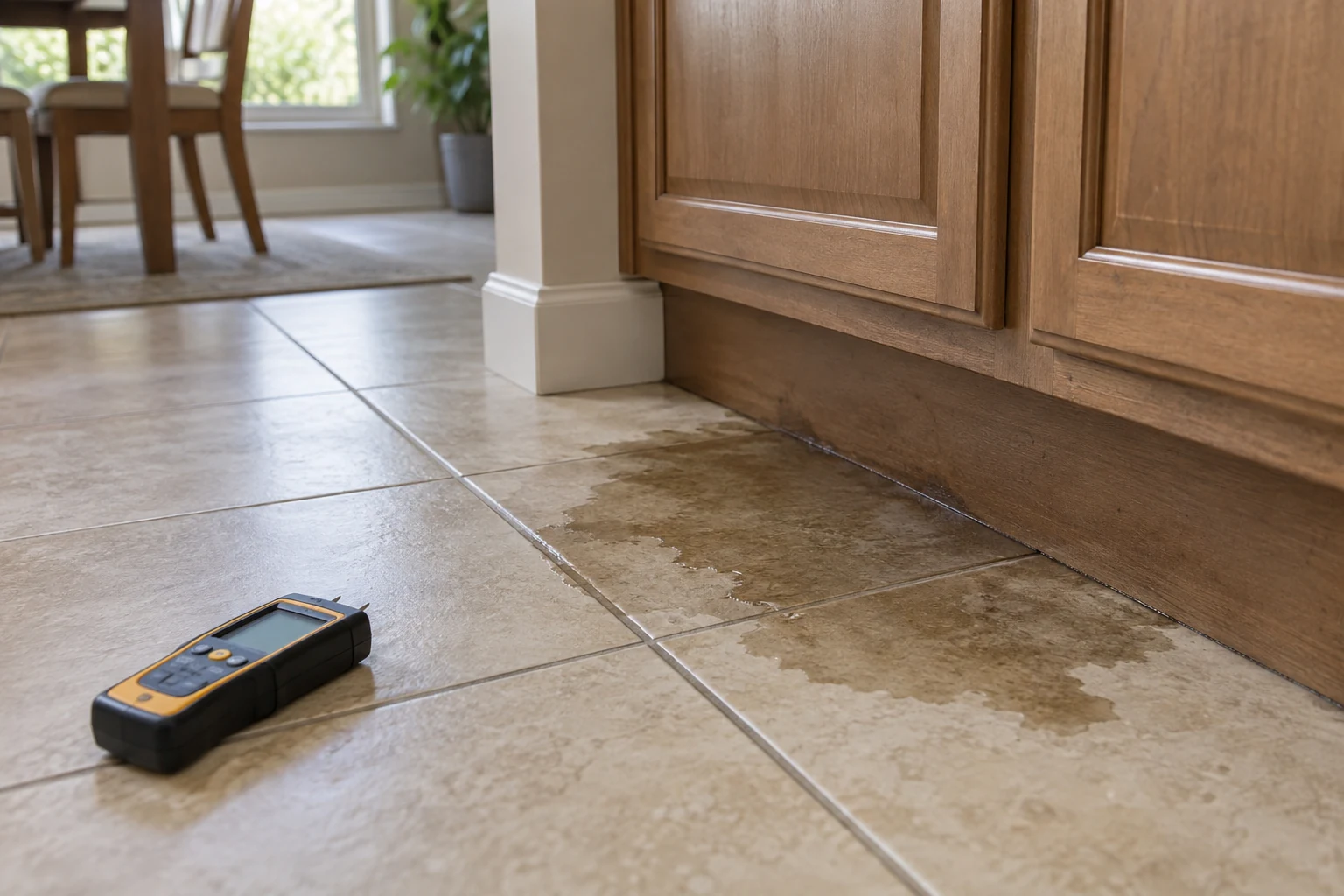
- Moisture mapping. Readings compare affected flooring with suitable dry areas and help trace water under baseboards, cabinets and thresholds.
- A written material plan. Ask which layers will be extracted, dried, lifted or removed, and how the floor will be checked before replacement finishes go in.
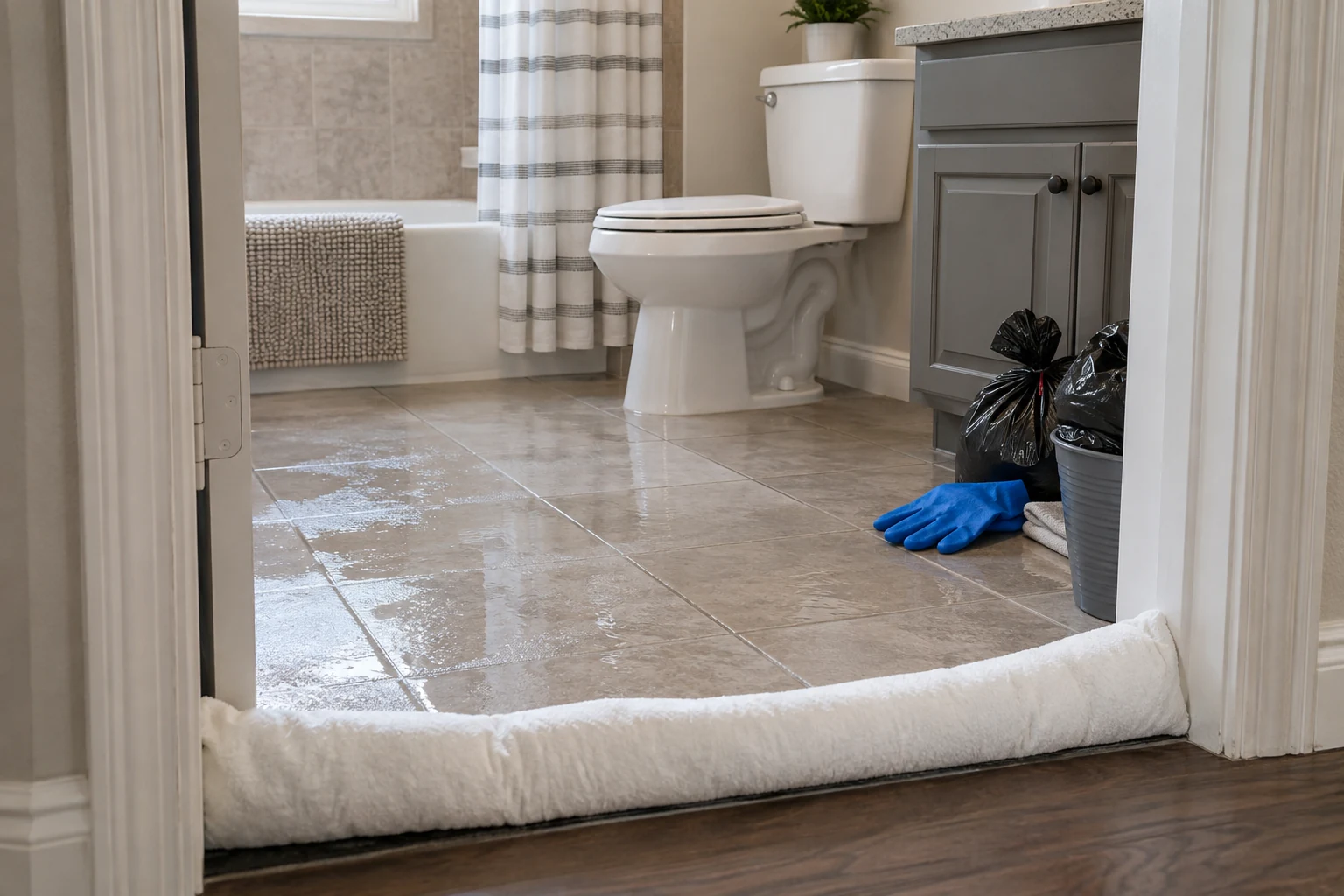
Signs Water Has Reached Floor Layers
- Carpet that squishes underfoot or leaves moisture at the edge
- A pad or subfloor still damp after the pile looks dry
- Hardwood boards cupping, swelling or separating
- Water damage under carpet near a cabinet or doorway
- Water damage under laminate flooring after a washer or heater leak
- Damp baseboards or tile grout beside a wet floor
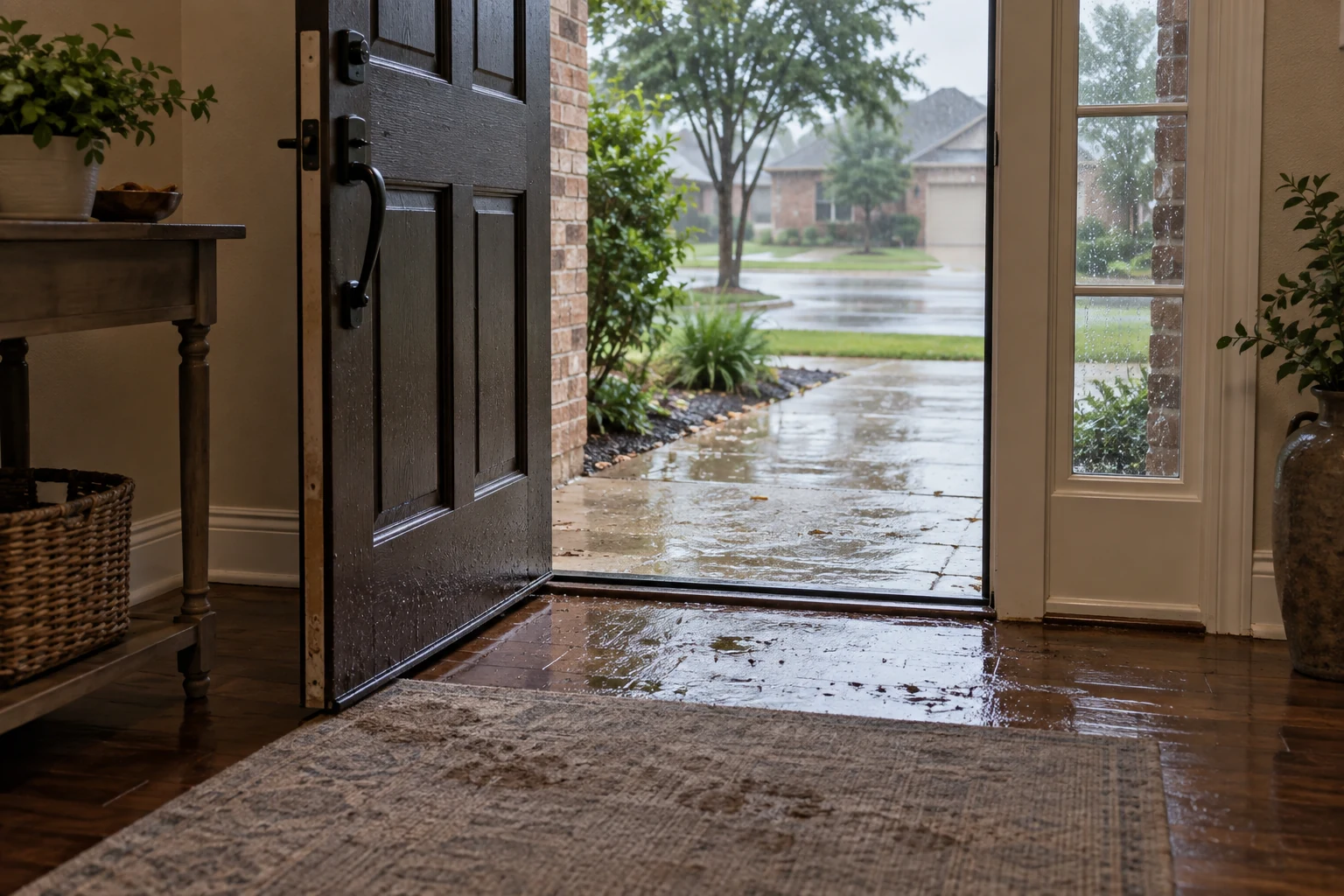
How Garland Floor Water Removal Works
- Call with the source and floor type. Give the Garland address, wet rooms, water depth and whether the water came from a pipe, appliance, sewage or outside flooding.
- Stop the source and inspect safely. A plumber, appliance professional or roofer may need to repair it. Your technician examines the surface, edges and adjacent material.
- Extract and test layers. Accessible water is removed. Carpet, pad, wood, underlayment and subfloor are measured or opened when appropriate to find hidden moisture.
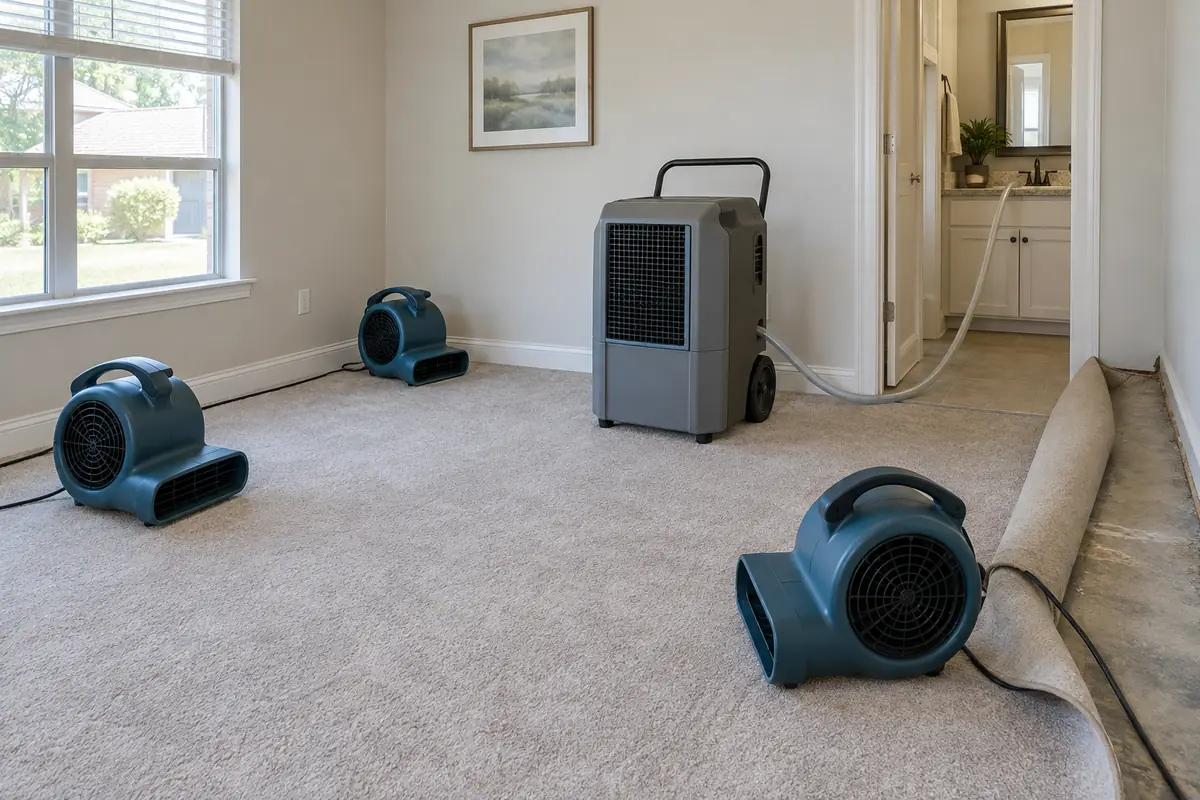
- Dry or remove, then verify. Equipment addresses salvageable material; contaminated or damaged layers need a different plan. Readings support the decision before finishes return.
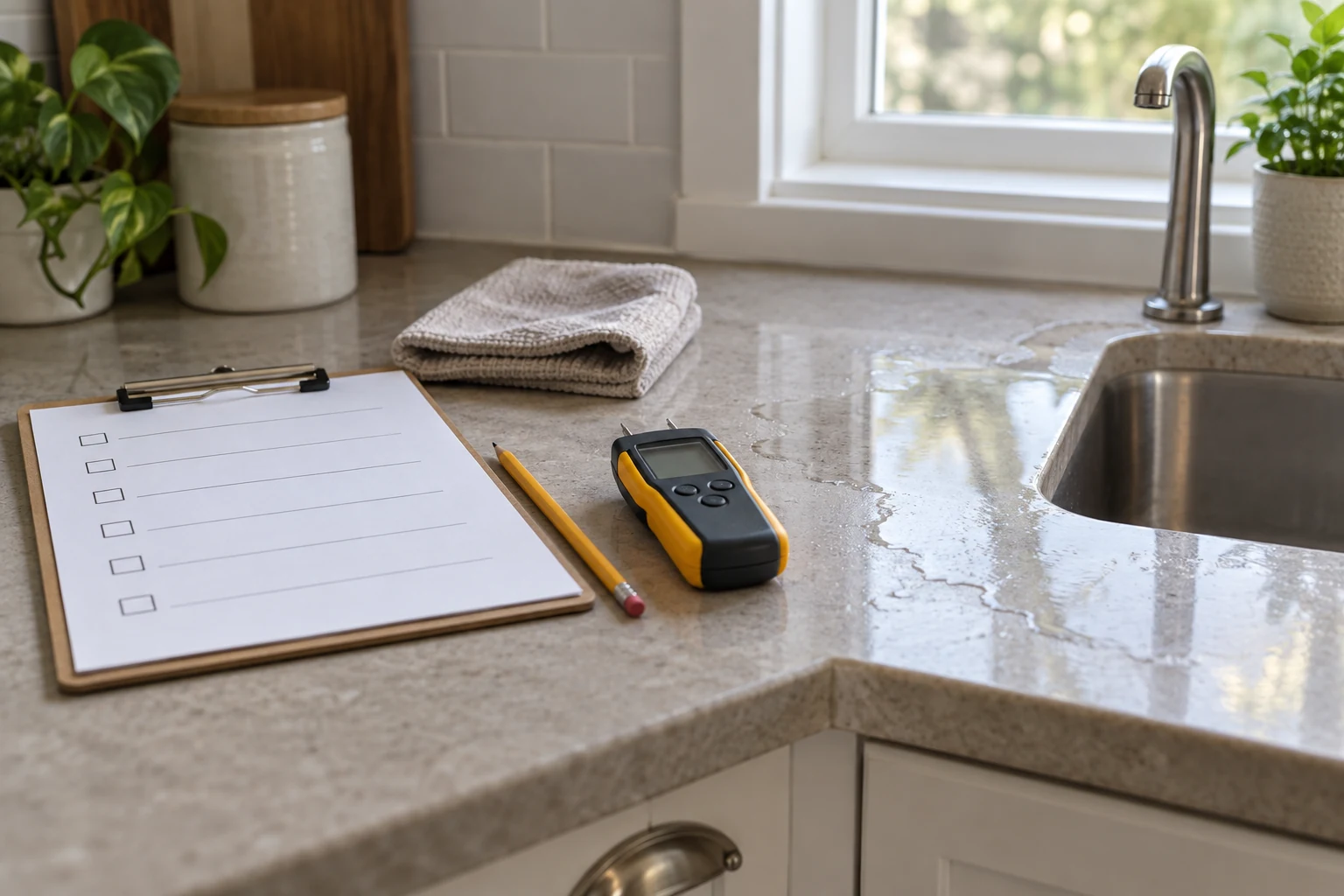
What Affects Water Damage Floor Repair Cost in Garland
Water damage floor repair cost depends on what is wet under the visible finish:
- Water type and duration. A fresh supply leak differs from sewage or outside floodwater.
- Floor construction. Carpet and pad, hardwood, laminate, tile, adhesive and underlayment need different decisions.
- Spread. Water crossing thresholds or reaching cabinets and baseboards expands the inspection and drying area.
- Removal and rebuilding. The source repair, flooring removal, drying and new finish may be separate work.
For water-damaged floors and carpet, one of our local restoration partners will walk you through the scope and the price before any work starts. Our water damage restoration cost guide helps compare line items without pricing an unseen floor.
Why Call Ray Hubbard Restoration About Wet Flooring
- Calls answered 24/7. Report a leaking hose or wet floor while the source is being stopped.
- Layers checked separately. Carpet face, pad and subfloor can have different moisture conditions.
- Materials drive the plan. Hardwood, laminate, tile and carpet are not given the same drying answer.
- Scope and price first. Ask what will be extracted, lifted, removed or replaced before work starts.
- Documented drying. Photos and readings show the condition before new flooring covers the area.
Wet Floor Damage and Your Insurance
Your insurer and policy decide coverage. When safe, photograph the floor and source before moving contents, and record when the water began and stopped. Keep the plumber or appliance repair invoice separate from extraction, drying and flooring proposals. A written layer-by-layer scope and moisture readings help document what was wet; they do not decide or handle a claim. See our insurance and water damage guide for records to gather.
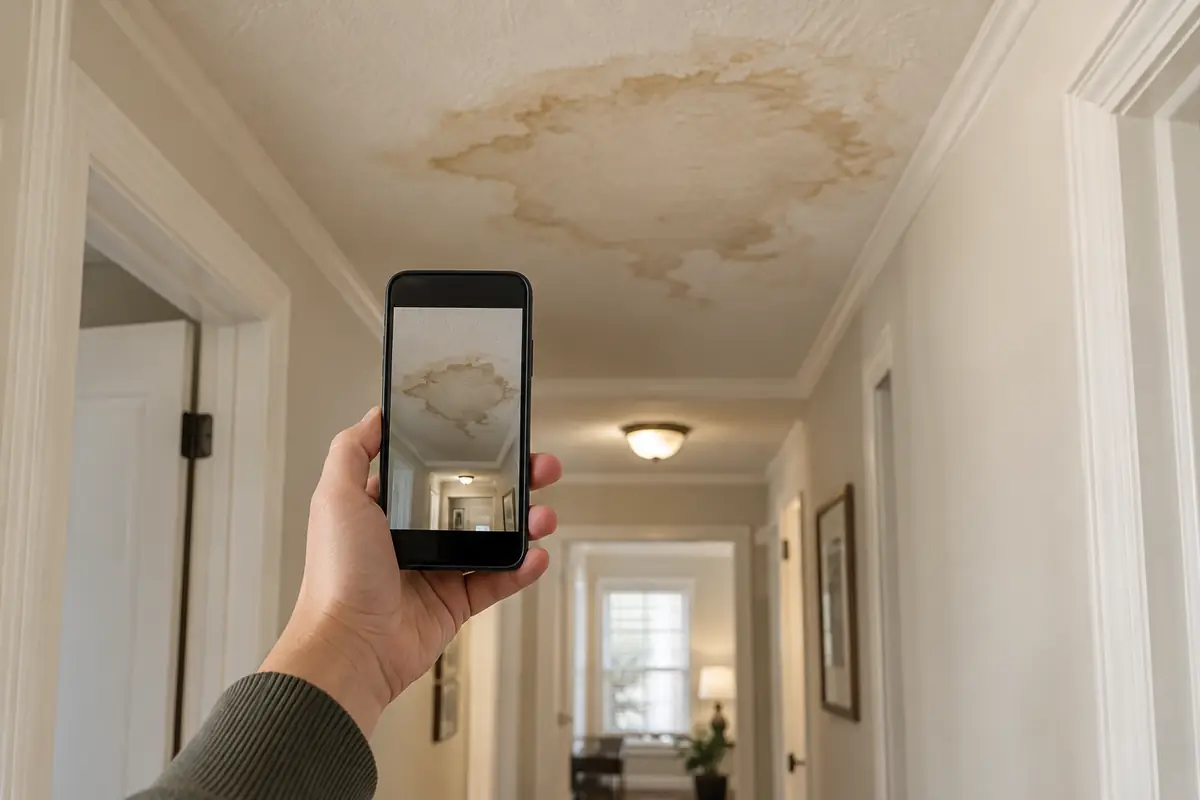
Wet Floor Safety Tips Before Help Arrives
Stop the source only when a valve is safe to reach. Keep away from water near outlets, cords or appliances, and do not drag a heavy washer or refrigerator across a wet floor to inspect beneath it. Say clearly if sewage or outside floodwater touched the carpet. The CDC floodwater guidance warns that floodwater can contain sewage and other contaminants; ordinary clean-water carpet drying may not fit.
The EPA mold course emphasizes moisture control and inspecting wet materials. Carpet pile, backing, pad and subfloor can hold water differently. Hardwood may cup, laminate may swell and tile may hide wet underlayment; none can be declared saved or lost from a web description. Ask how readings will be taken and how structural drying will be verified before finishes or furniture cover the area.
Sources
Sources for wet carpet & floors, checked 2026-09-28.
Related Water Damage Services
Areas We Serve Around Lake Ray Hubbard
Our local restoration professionals take wet-floor calls in Garland and nearby towns. Pick your town for local water contacts and describe the exact flooring in the call.
Wet Carpet & Floors FAQs
Can wet carpet be dried after a clean-water leak?
Sometimes. The source, time wet, backing, pad and subfloor all matter. Water removal from carpet is only the first step; a dry-feeling pile can cover damp padding. Your technician should inspect the layers and explain what can be extracted and dried, what needs lifting, and when readings show the floor is ready for use again.
Does soaked carpet pad have to be replaced?
Not every case has the same answer. Pad condition, water type, time wet and moisture beneath it guide the plan. EPA guidance notes that backing and padding need attention, not just the visible carpet face. Ask whether the pad was inspected and how the subfloor will dry. Sewage or floodwater raises a separate contamination question and may call for removal.
Will a cupped hardwood floor flatten when it dries?
It depends on the wood, water depth, duration and what happened beneath the boards. Drying too quickly or installing a new finish over a damp subfloor can cause more trouble. Your technician can document moisture and explain the proposed drying sequence. A flooring specialist may still need to decide whether damaged boards can be repaired or must be replaced.
Is tile safe when the water has disappeared from its surface?
Tile may remain sound while underlayment, grout edges or a slab joint holds moisture. A dry-looking face does not settle the condition beneath it. Tell your technician how long the water remained and whether it crossed a threshold. Ask what layer will be measured, whether access is needed and what confirms drying before cabinets or new flooring cover the area.
Does a washer or water heater leak require a floor replacement?
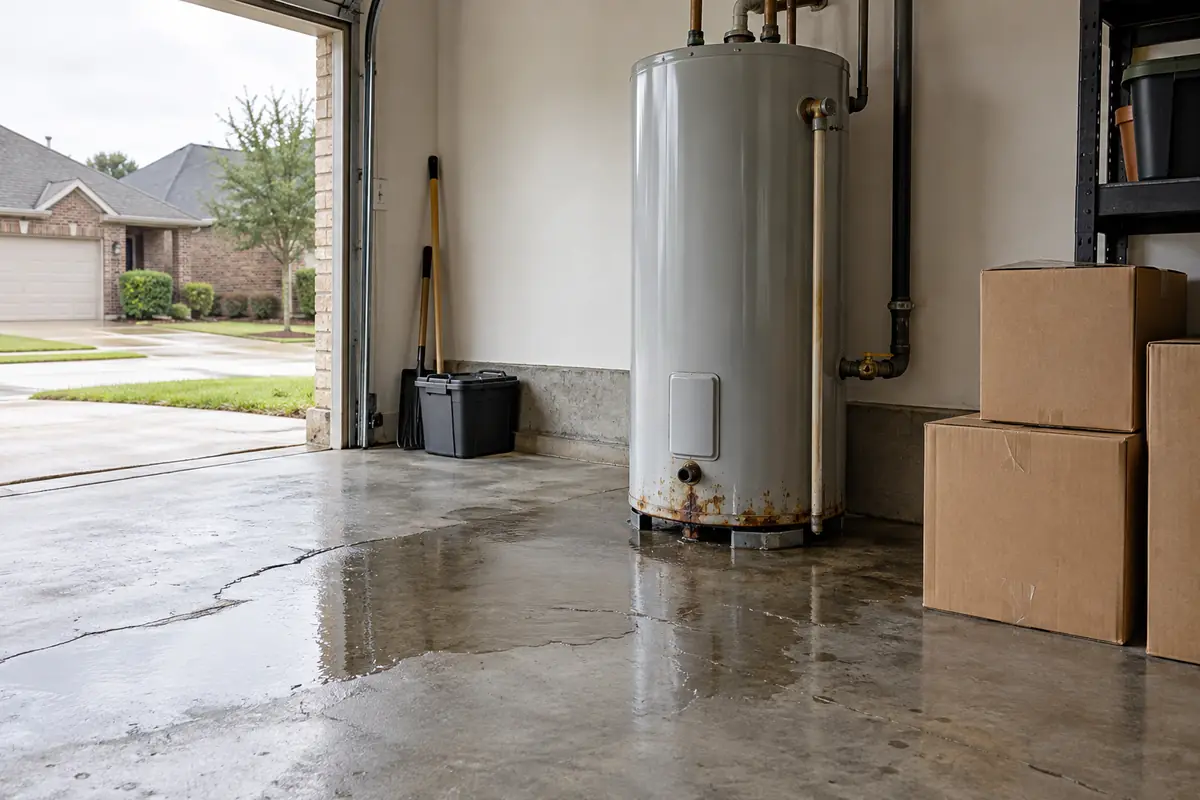
Not automatically. A plumber or appliance professional addresses the failed source, and your technician assesses the flooring layers separately. Some clean-water material may dry; swollen wood, loose adhesive, contaminated pad or a wet subfloor can change the plan. Ask for a written explanation of what is saved, removed and measured before accepting a new floor proposal.
Carpet or floor wet in Garland? Call us any time with the water source, flooring type and rooms affected.
Call (972) 975-6997