
Garland · Rowlett · Rockwall · Lake Ray Hubbard
Water Damage Drywall Repair in Garland, TX
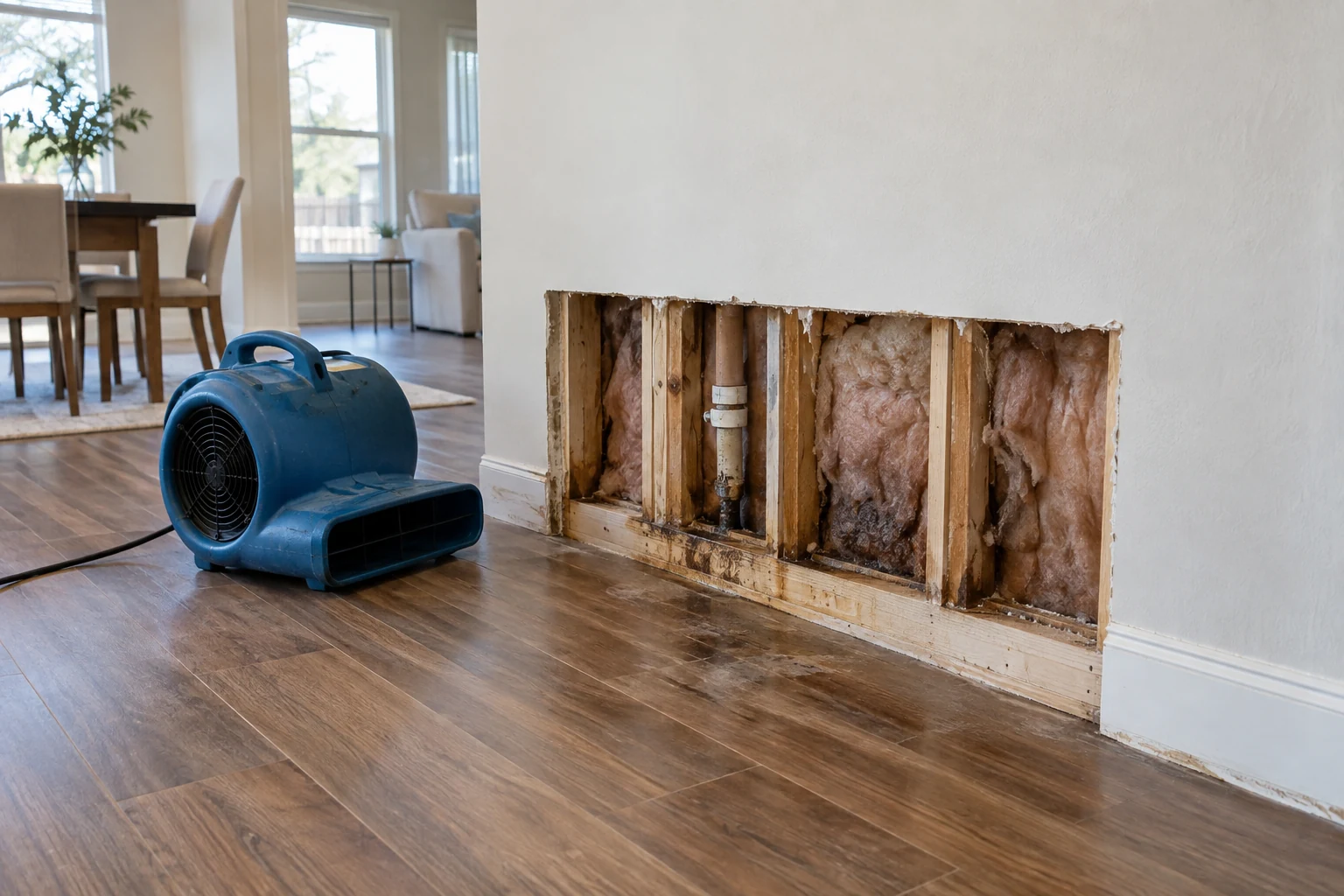
Wall stain spreading, baseboard wet or paint bubbling after a leak? Call us any time. Our local restoration professionals trace moisture beyond the visible mark, dry material that can be saved and explain what must be opened or removed before a wall is closed again.
- Calls answered 24/7
- Local restoration professionals
- Around Lake Ray Hubbard
Our Wet Wall and Drywall Services in Garland
- Source and stain review. Your technician asks where the water began. A pipe, roof opening or ceiling leak can make a stain appear far from its source; another trade may need to stop it.
- Moisture mapping. Readings along the wall, baseboard and suitable dry reference areas help show whether the painted face hides a wet cavity.
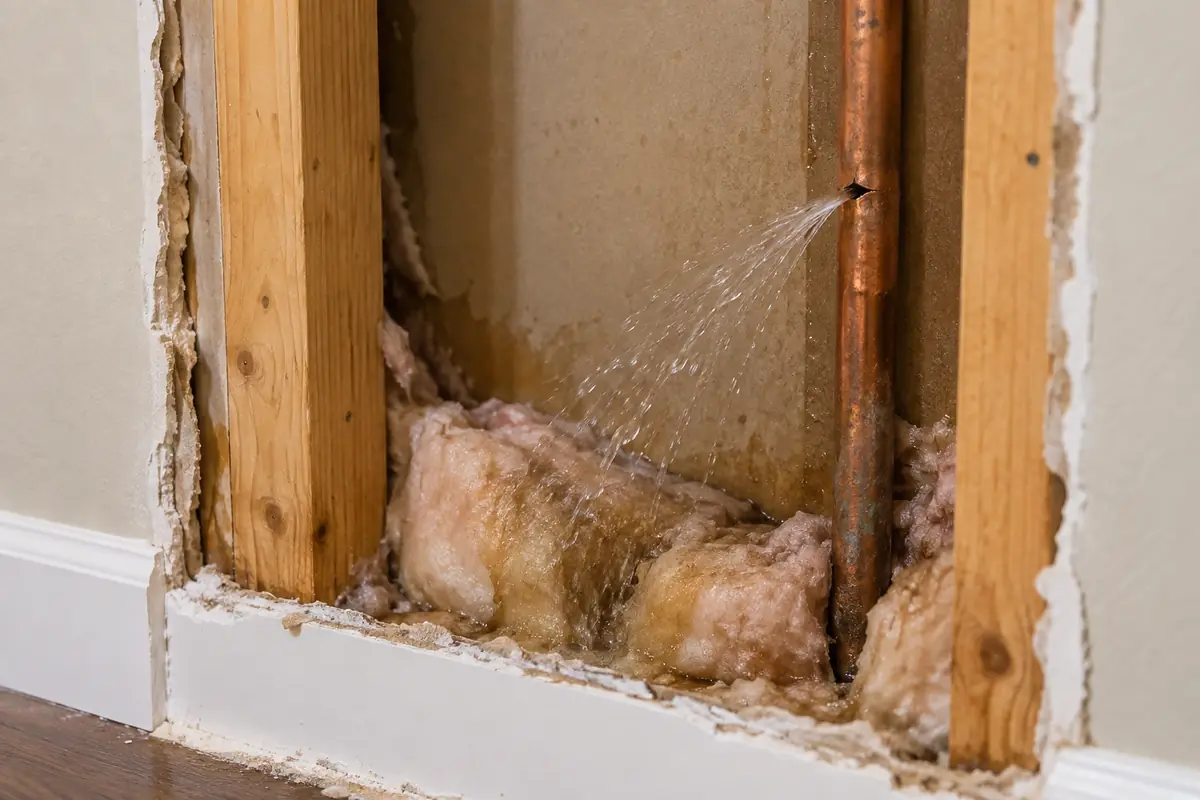
- Material assessment. Swelling, failed seams, contamination, wet insulation and damaged framing change whether drywall can dry in place or needs controlled removal.
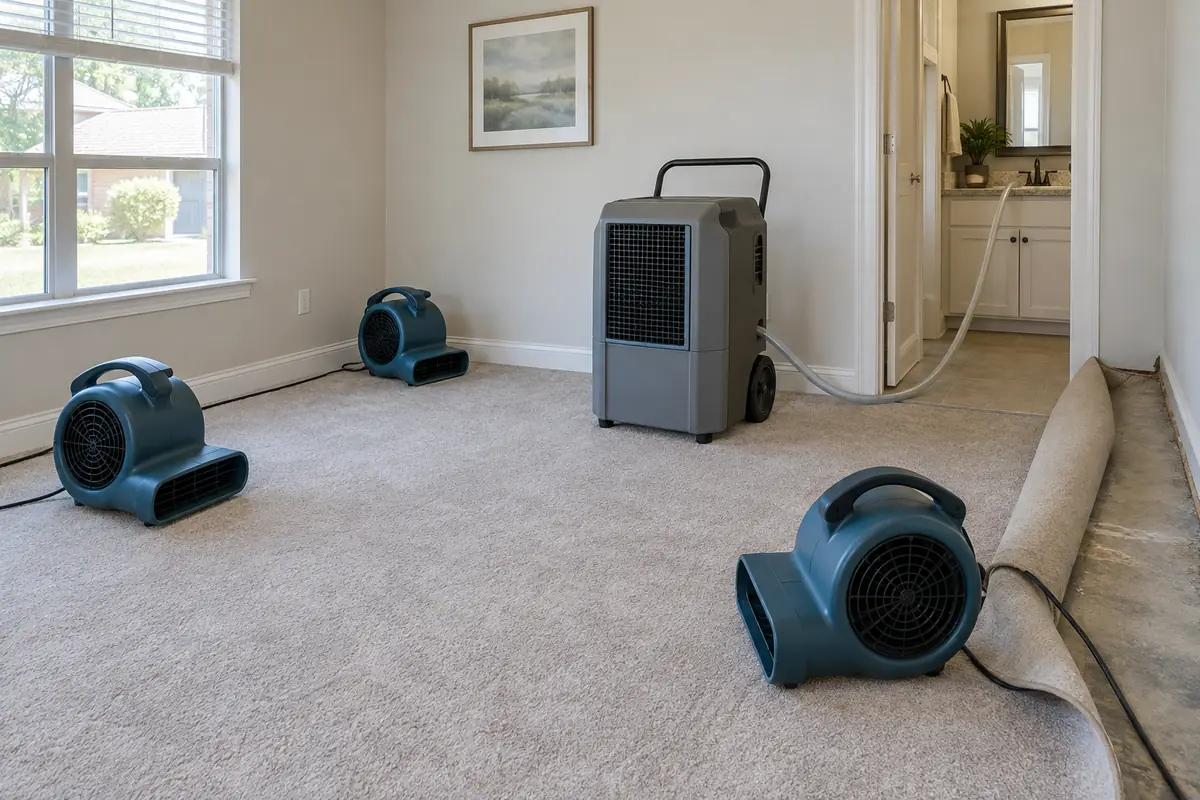
- Access and drying. Baseboards, small access openings or damaged board may be removed when needed to reach trapped water. Air movement and dehumidification follow the inspected conditions.
- Completion record. Ask for photos of opened areas, dated moisture readings and a written explanation before new board, paint or cabinetry closes the wall.
Signs You Need Water Damage Wall Repair
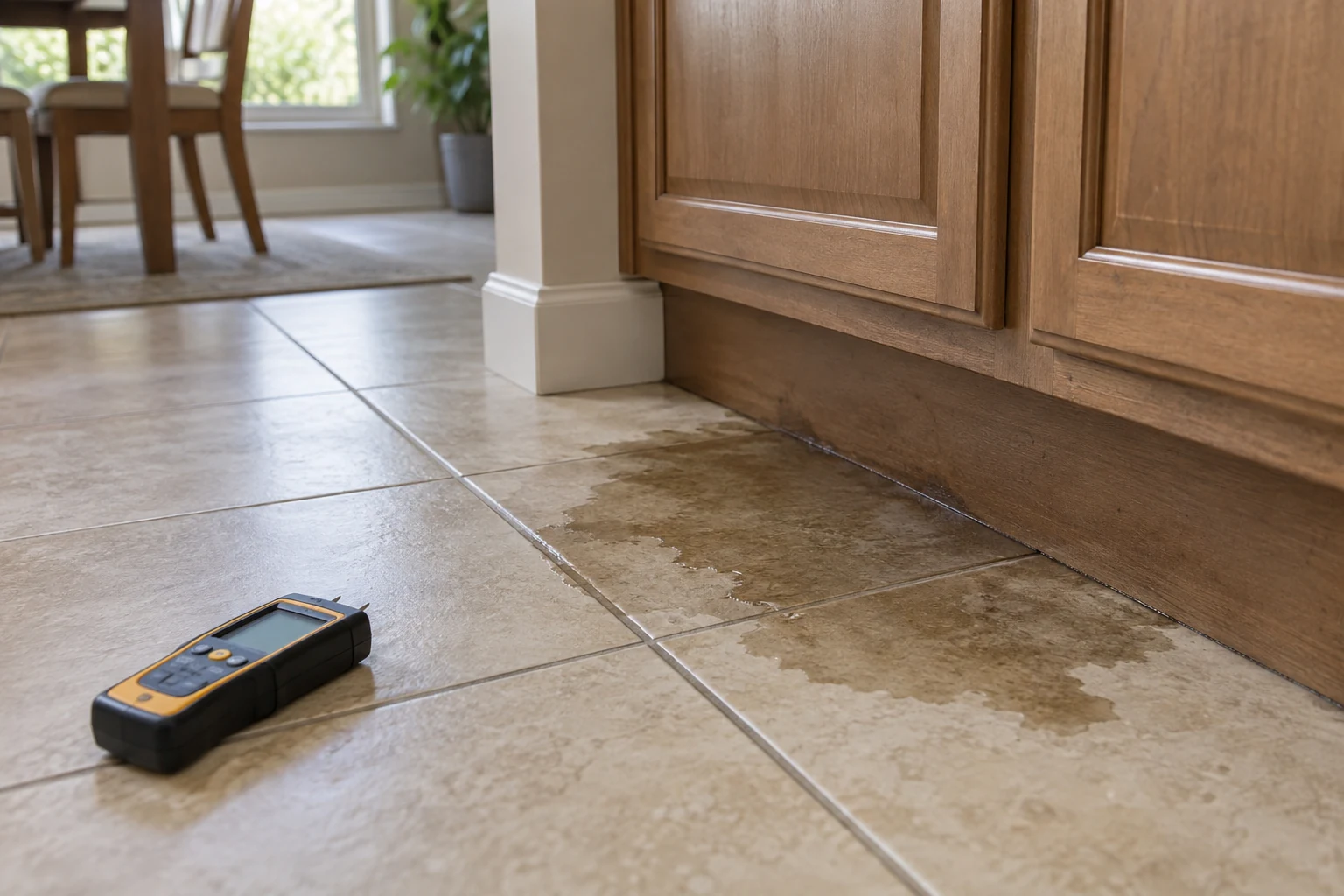
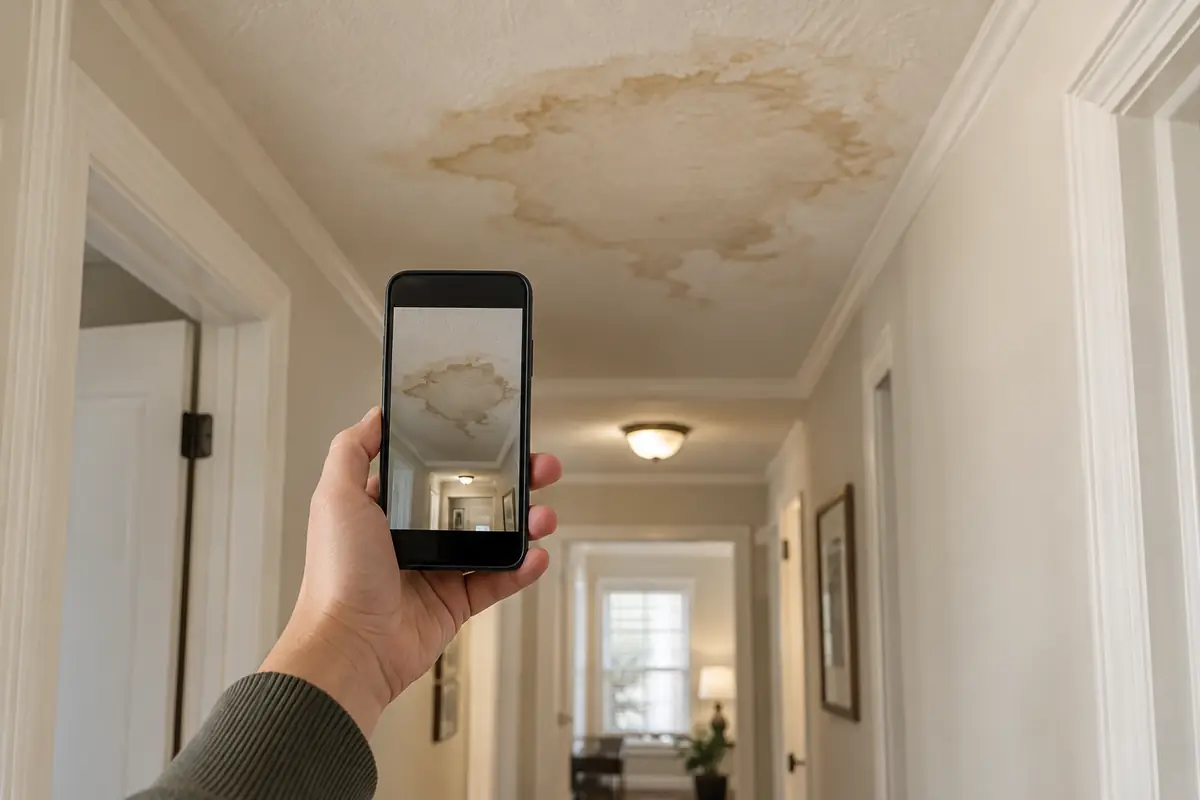
- A stain climbing above the baseboard after a floor leak
- Bubbling paint, swollen drywall or seams pulling apart
- A wall that feels damp after the room surface has dried
- Wet insulation or framing seen through a safe existing opening
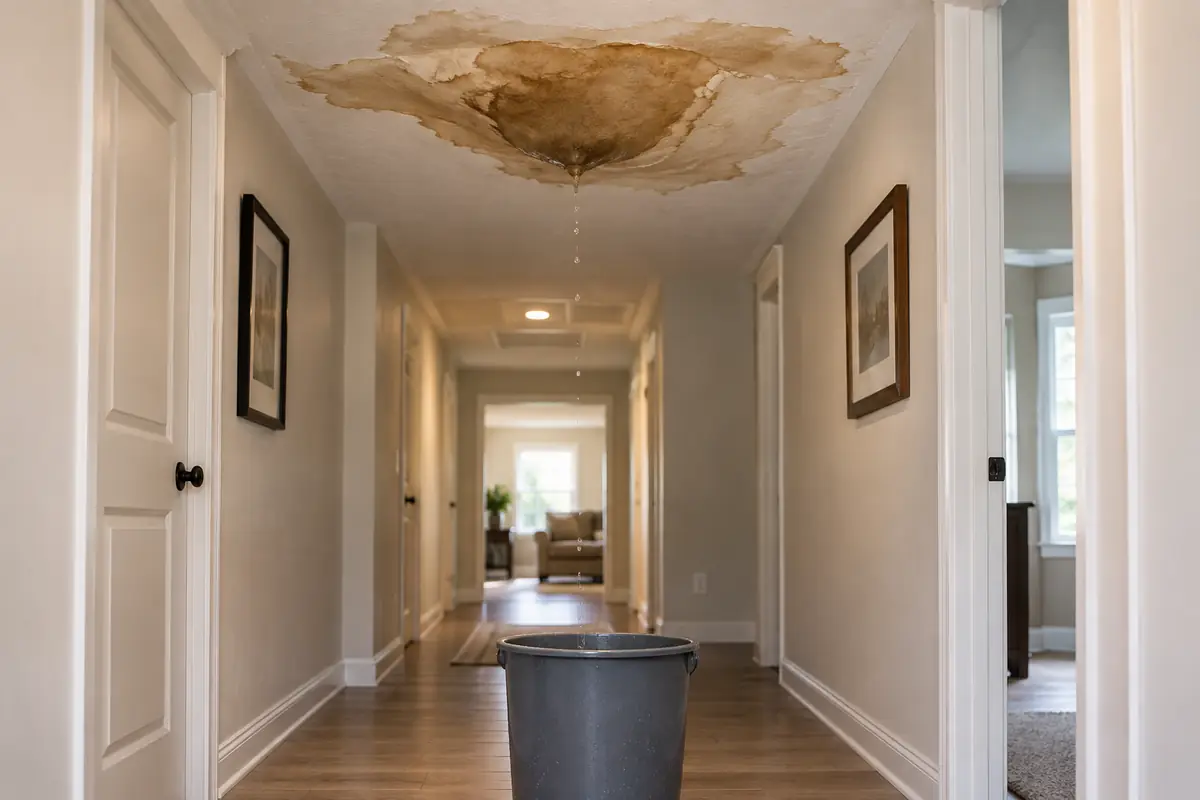
- Water damage on walls below a ceiling leak
- Moisture near an outlet, switch or wiring route
How Garland Wet Wall Repair Begins
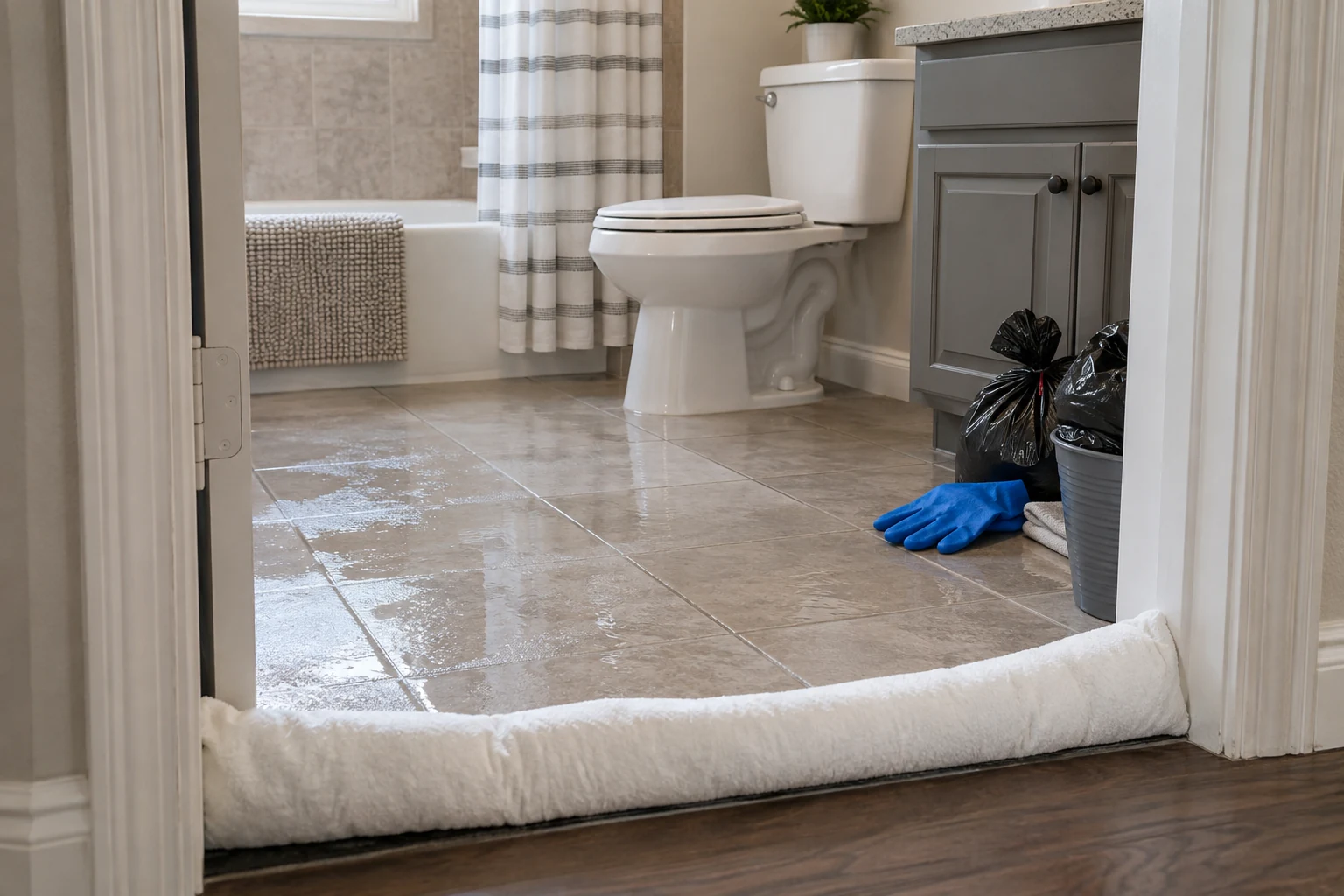
- Call with the water path. Tell us the Garland address, which wall is affected, when the mark appeared and whether water is still entering. Mention wet outlets or sewage.
- Stop the source safely. A plumber or roofer may need to repair the pipe or opening. Your technician records the stain and checks the wet wall without assuming the visible mark shows the full spread.
- Measure and open only as needed. Readings, seams, swelling and cavity access guide drying versus controlled removal. The reason for any proposed opening should be explained first.
- Dry, verify and document. Equipment addresses salvageable material. Readings and photos record the condition before finish materials cover the cavity again.
What Affects Wet Drywall Repair Cost in Garland
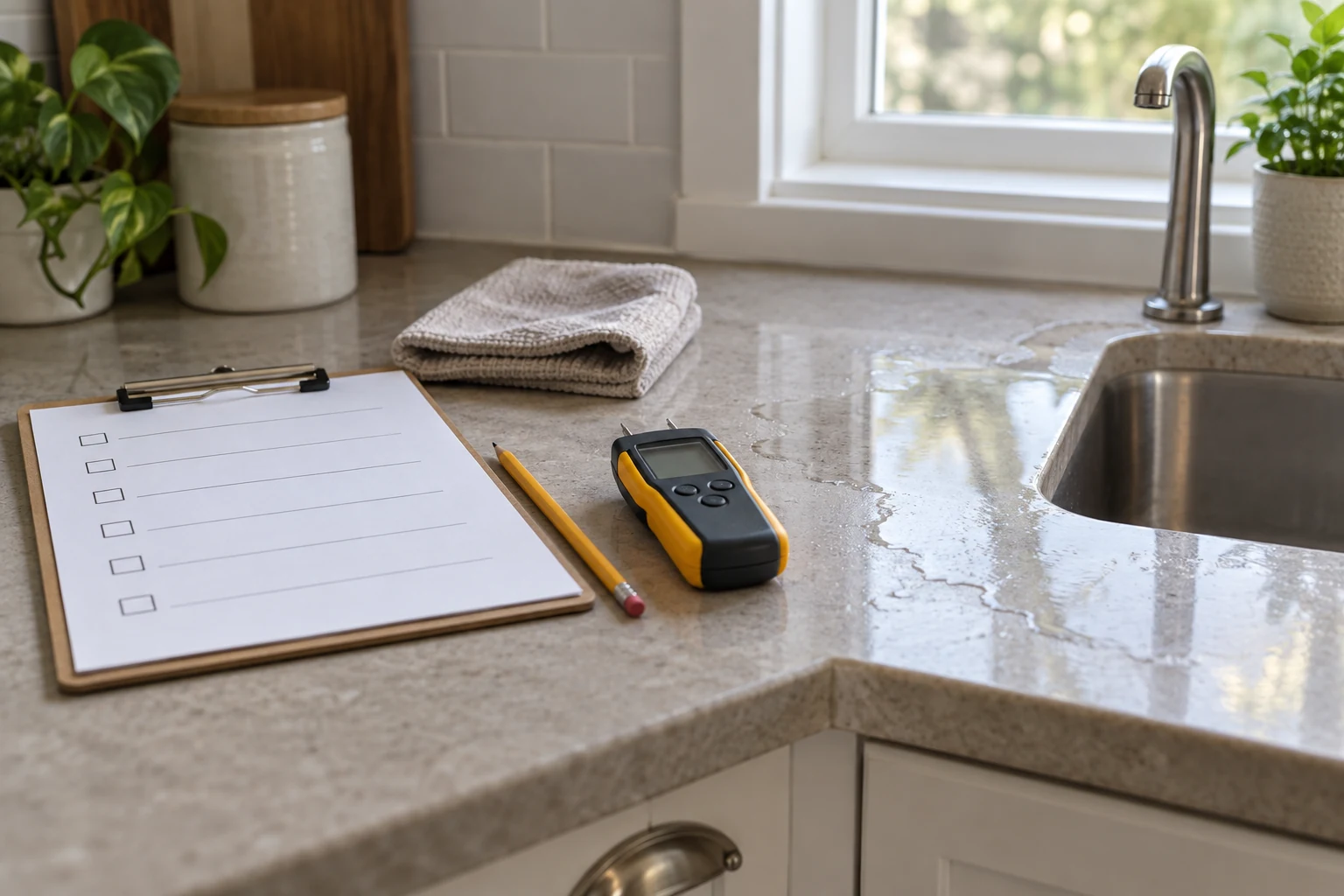
The cost depends on what is wet behind the surface, not the stain's outline:
- Water source. A clean supply leak differs from sewage or outside floodwater and may need a separate trade.
- Material condition. Intact wallboard may dry; swollen board or wet insulation can require removal.
- Access and area. Trim, cabinetry, multiple walls and hidden cavities change the opening and drying work.
- Finishes afterward. Plastering, painting or replacing cabinetry may be a separate proposal from water removal.
For wet walls and drywall, one of our local restoration partners will walk you through the scope and the price before any work starts. Compare the proposed work with our water damage restoration cost guide rather than accepting a standard cut height without inspection.
Why Call Ray Hubbard Restoration About a Wet Wall
- Calls answered 24/7. Describe a spreading stain when you discover it.
- The hidden cavity matters. Your technician checks beyond the painted face before recommending a cut or dryer.
- No automatic flood cut. The inspected source, swelling and readings inform what is opened or kept.
- Separate trade scope. A plumber or roofer may stop the leak; wall drying and rebuilding have their own steps.
- A documented finish line. Photos and readings support the next repair and your insurer conversation.
Wet Drywall Damage and Your Insurance
Your insurer and policy determine coverage. When safe, photograph the first stain, the leak source and any opened material. Keep the plumber or roofer invoice separate from the wall-drying and finish proposals. Dated readings and photos help document what was wet and why it was dried or removed; they do not decide the claim. Our insurance and water damage guide lists the records to discuss with your insurer.
Wet Wall Safety Tips Before Help Arrives
Stay clear of a wet outlet, switch or service equipment, and avoid a sagging wall or ceiling section. Do not cut into a wall to find a pipe or insulation without checking the source and hazards. If water might be sewage or floodwater, say so before work is planned; clean-water drying precautions may not fit it. A fan against painted drywall cannot prove studs or insulation are dry.
The EPA cleanup table says intact, unswollen drywall may dry in place, while wet insulation or damaged board needs another treatment. The EPA mold course emphasizes moisture control. Ask what readings support the decision before new paint or board hides the cavity.
Sources
Sources for wall & drywall water damage, checked 2026-09-28.
Related Water Damage Services
Areas We Serve Around Lake Ray Hubbard
Our local restoration professionals take Garland wet-wall calls and serve the Lake Ray Hubbard towns listed here. Choose your town for utility contacts and water-damage context.
Wall & Drywall Water Damage FAQs
Can water-damaged drywall be repaired without cutting it out?
Sometimes. The source, water type, swelling, seam condition and moisture behind the board all matter. EPA guidance allows some intact, unswollen drywall to dry in place under suitable conditions. Wet insulation or a damaged wall may need access or removal. Your technician should explain the readings and the reason for the proposed opening rather than use one cut height for every wall.
Why is a wall still wet after the leak is stopped?
Water can move upward through drywall and baseboards or remain in insulation and framing after the visible drip ends. A surface that feels dry does not prove the cavity is dry. Your technician can compare moisture readings with suitable dry reference material and explain whether access is needed. Keep the source-repair record separate from the later wall drying and finish work.
Does a stain show whether the source is a pipe or roof leak?
Not by itself. A pipe inside a cavity, a ceiling leak or rain entering through roofing can leave a mark elsewhere on the wall. Note when the stain appeared and whether fixture use or rain coincided with it, but do not cut into an unsafe wall on a guess. A plumber or roofer may need to stop the source before drying is complete.
Will a fan dry insulation behind painted drywall?
Air movement across the painted face cannot establish that wet insulation or framing has dried. The cavity may need a separate inspection or controlled opening. Ask where moisture readings are taken, whether a dehumidifier is part of the plan and how completion is verified. Keep children away from equipment and report any electrical concern rather than move units yourself.
Is wall patching included with water removal?
Ask for a written scope. Extraction, controlled removal, structural drying and rebuilding are different tasks, and a plumber or roofer may also be needed to fix the source. Your technician should identify what they will inspect and dry, what material may be removed and who handles new board, texture or paint. Price and work should be clear before any opening begins.
Wall or baseboard wet in Garland? Call us any time with the water source, affected wall and safety concerns.
Call (972) 975-6997