
Garland · Rowlett · Rockwall · Lake Ray Hubbard
Structural Drying for Water Damage in Garland, TX
Visible water is gone, but floors, cabinets or drywall still feel damp? Call us any time. Our local restoration professionals map the remaining moisture, place drying equipment where conditions allow and recheck materials until the plan shows they are ready for the next repair step.
- Calls answered 24/7
- Local restoration professionals
- Garland and nearby towns
Our Structural Drying Services in Garland
- A moisture map. Your technician checks wet flooring, drywall, cabinets, insulation and accessible cavities. A surface can feel dry while another layer still holds water.
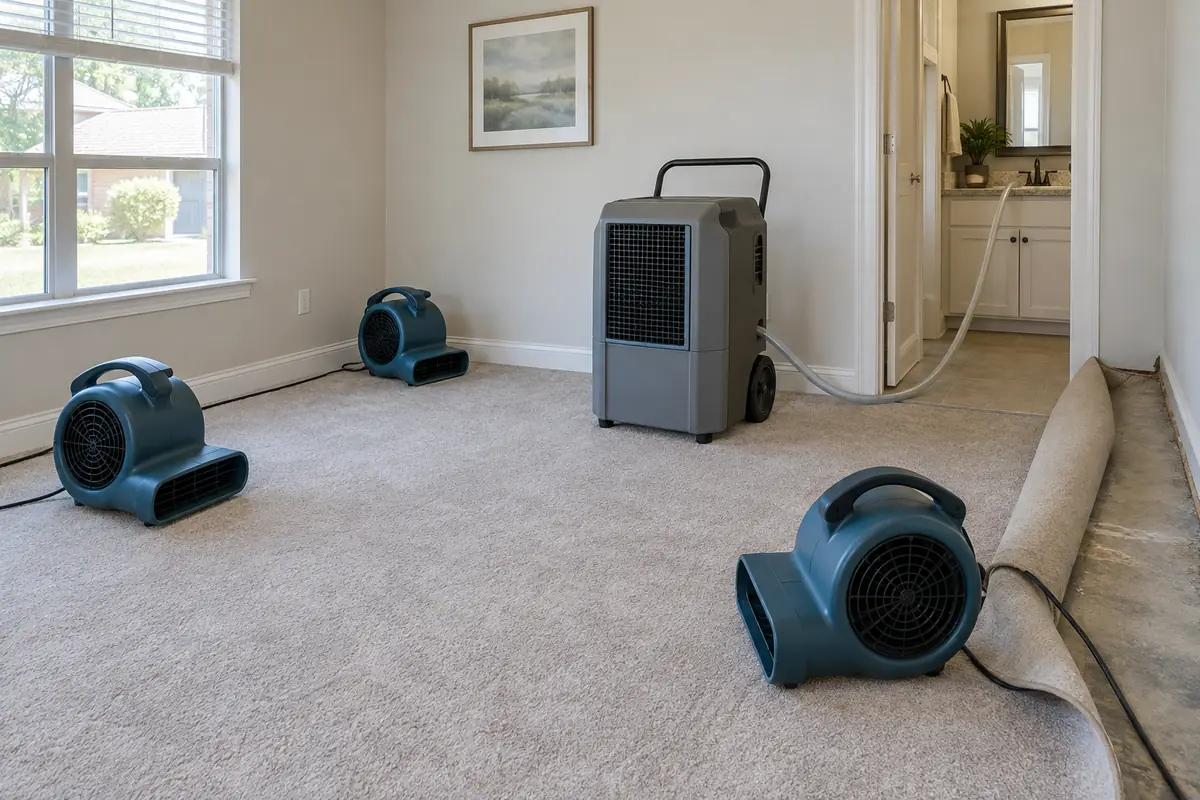
- Air movement. Air movers circulate air across suitable wet surfaces after extraction and when electricity is safe.
- Dehumidification. A water damage dehumidifier removes moisture from indoor air as materials release it; placement depends on the room, humidity and water type.
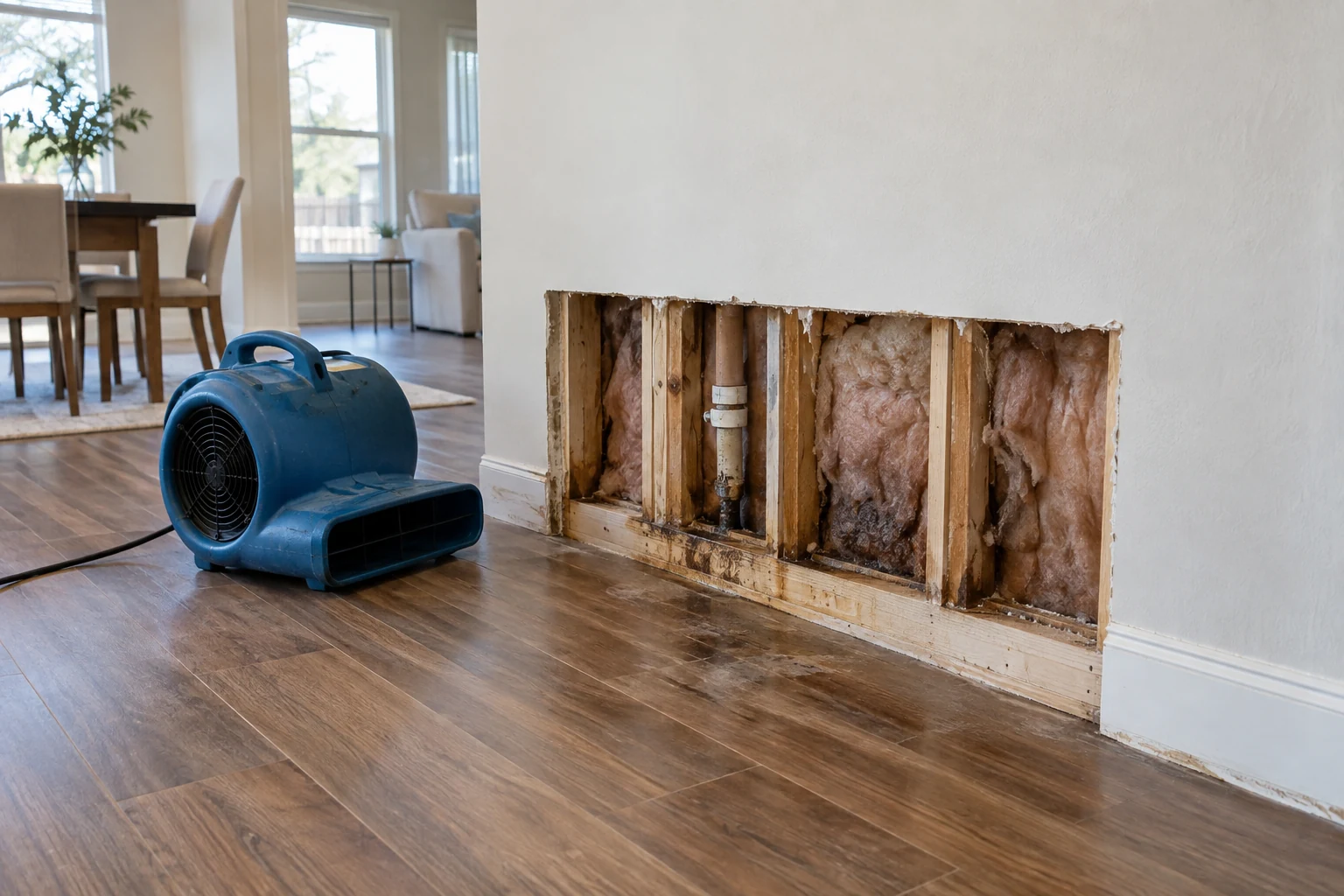
- Material decisions. Wet insulation, swollen wallboard or trapped moisture may require access or removal. Heat is not a universal drying answer and can damage some finishes.
- Repeat readings. Marked locations, suitable dry reference points and dated readings show what changed and what still needs attention before rebuilding.
Signs You May Need Structural Drying
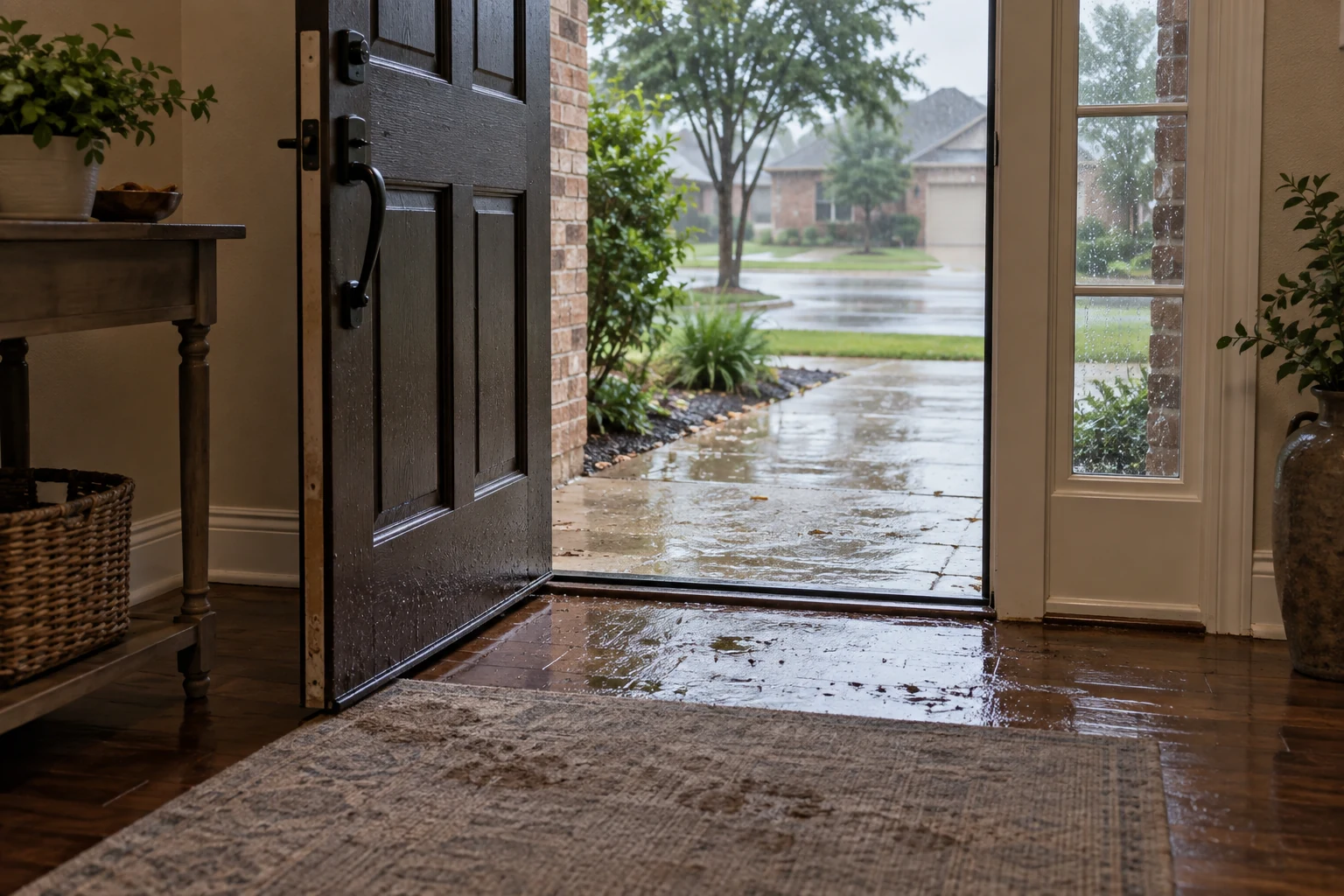
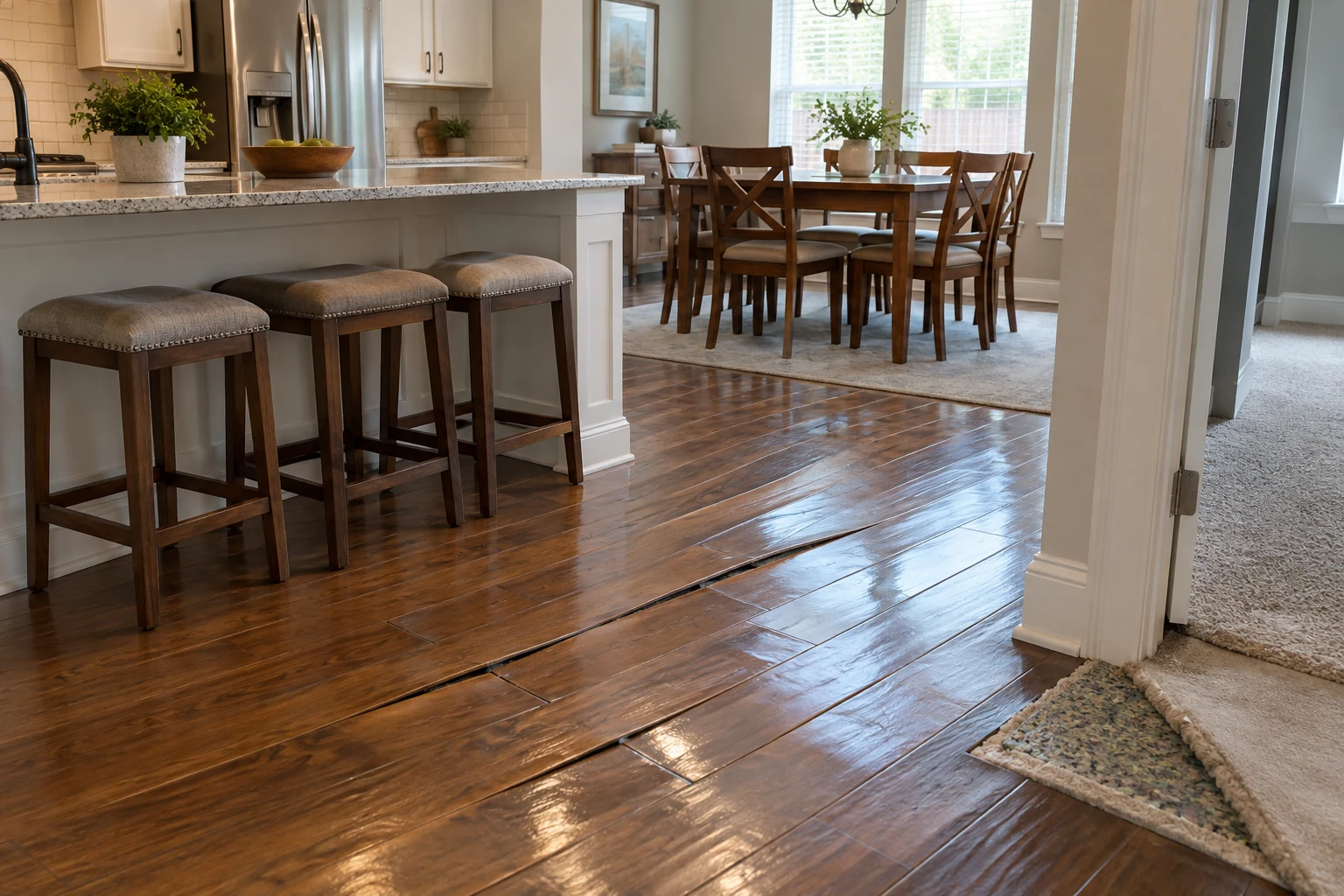
- Flooring stays damp or begins to cup after the puddle is removed
- Baseboards or cabinet toe-kicks remain wet
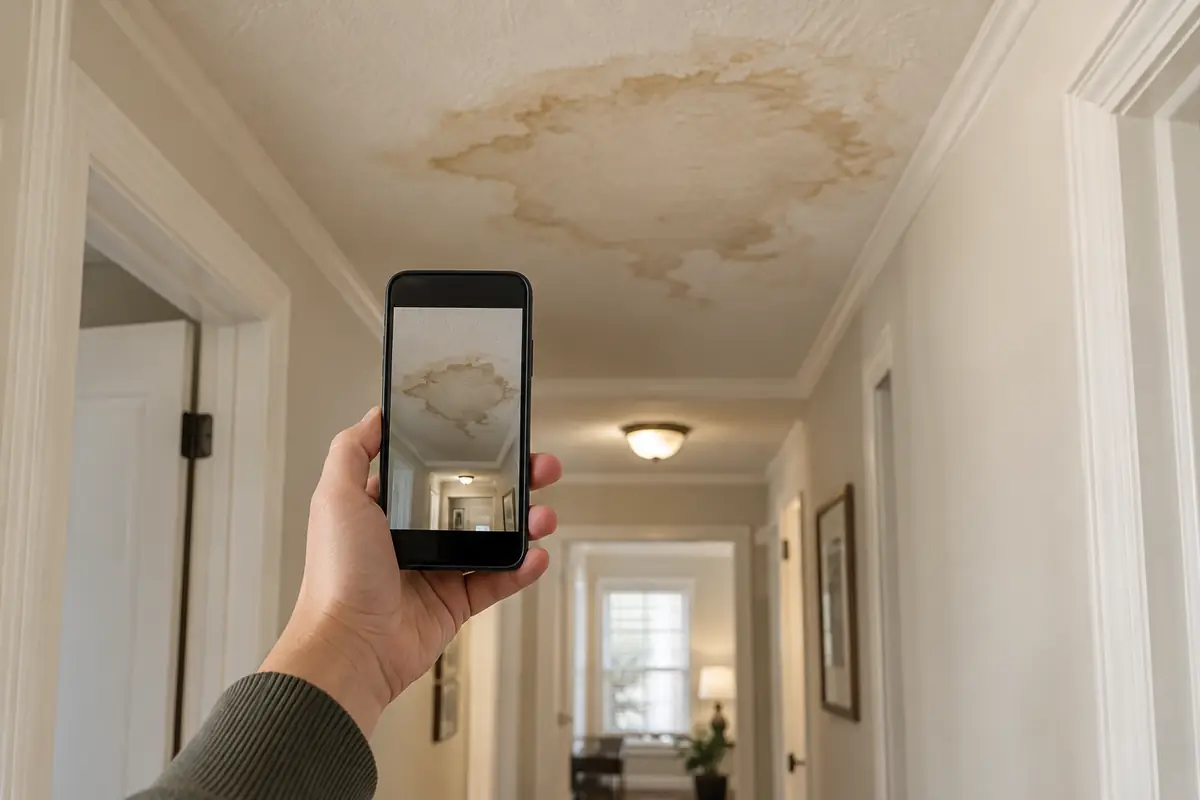
- Water damage in drywall appears beyond the first stain
- Insulation or a wall cavity was exposed to a leak
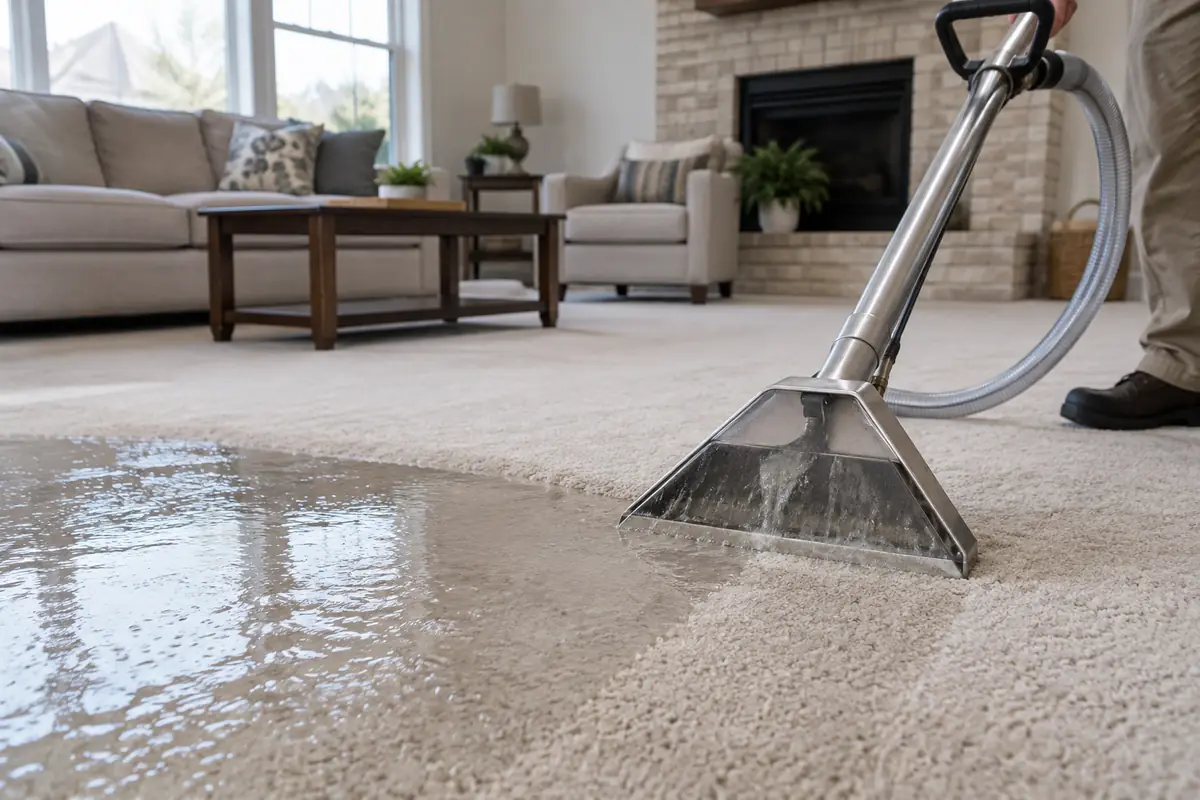
- Carpet drying is still needed after water removal because the pad remains wet
- A room feels dry but readings still show moisture in materials
How Our Garland Drying Process Works
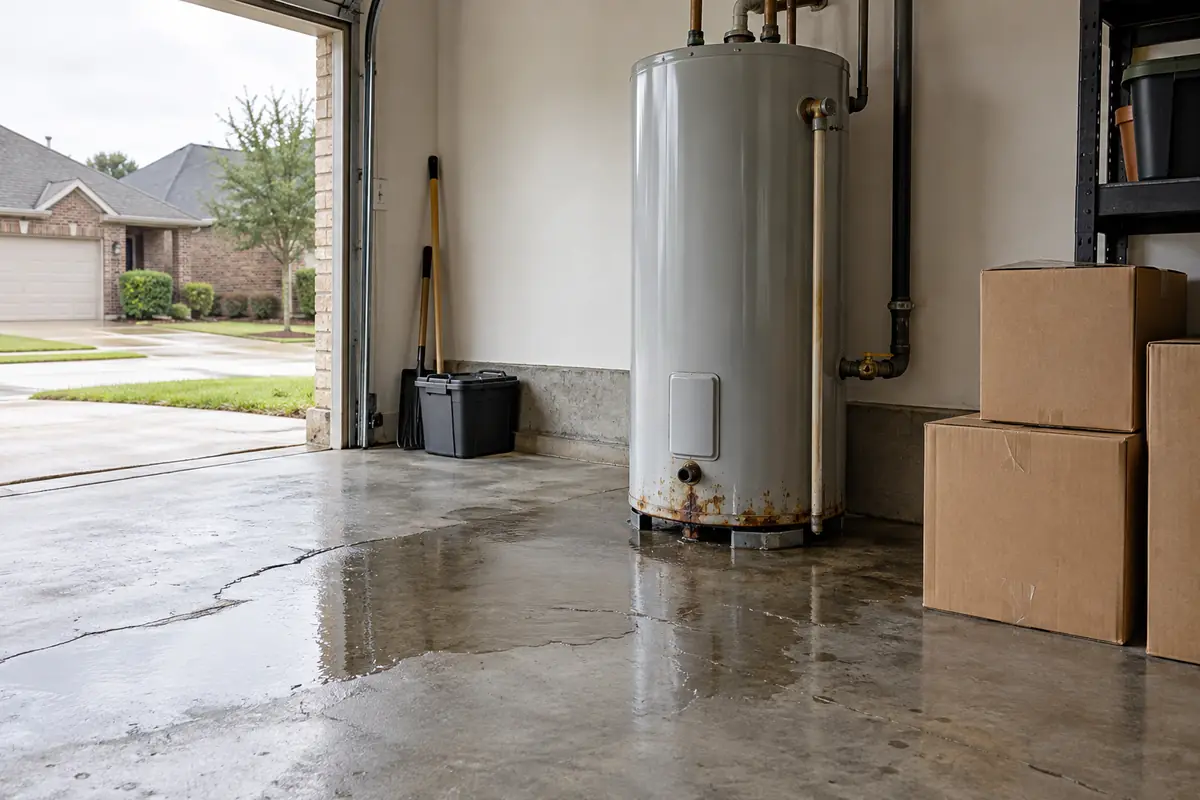
- Call with the loss details. Tell us what caused the water, when it stopped, which rooms are affected and whether electricity or contamination is a concern.
- Map materials and plan access. Your technician takes readings, compares suitable dry references and identifies material that can dry versus material needing removal.
- Set and monitor equipment. Air movers and dehumidifiers are placed for the inspected rooms when conditions allow. The readings and equipment setup are checked again during the job.
- Verify before finishes return. Your technician explains the readings, what is still uncertain and when rebuilding can begin. Source repair and finish replacement remain distinct scopes.

What Affects Structural Drying Cost in Garland
The price follows the wet materials and measured work, not a fixed number of fans:
- Size and layers. A wet surface is simpler than water behind cabinets, within insulation or beneath flooring.
- Access or removal. Saturated material may need to be opened or removed before remaining material can dry.
- Equipment and monitoring. Room layout, power safety, humidity and how long readings remain elevated change the setup.
- Separate work. Plumbing, roofing, extraction and rebuilding may be outside the structural drying scope.
For structural drying, one of our local restoration partners will walk you through the scope and the price before any work starts. Our water damage restoration cost guide helps compare the drying line items; your technician prices the room after measuring it.
Why Garland Calls Ray Hubbard Restoration for Drying
- Calls answered 24/7. Describe wet materials while the source and extraction work are being handled.
- Measurements instead of a guess. Readings and dry references inform the plan and its finish line.
- Equipment matched to the room. Your technician explains air movement, dehumidification and any material access.
- Clear boundaries. The water source repair and rebuilding are identified separately from drying.
- A useful record. Photos, equipment dates and moisture readings support the next repair and insurance conversation.
Structural Drying Records and Your Insurance
Your policy and insurer decide coverage. For your records, ask for dated moisture readings with their locations, equipment setup and removal dates, photos of opened or removed material, and the written drying scope. The source-repair invoice and rebuilding proposal may be separate. These documents show what was wet and what was done; your technician does not decide coverage or file the claim. See the insurance and water damage guide for a record checklist.
Structural Drying Safety Tips Before Equipment Runs
Do not run household fans or drying equipment through standing water or on an unsafe circuit. Fans can also spread contamination or visible mold when conditions are wrong. If water reached an air handler, return vent or duct, have that checked before running the system. Tell your technician about tripping breakers, excessive heat or equipment noise rather than switching units off without discussing the plan.
The IICRC S500 standard describes water-restoration procedures and precautions; asking what standard informs a proposed plan does not assume any particular certification. The EPA's flood-cleanup guidance says drying can take days to weeks. Do not paint, seal or rebuild over damp material simply because the room feels comfortable. A single reading does not prove every layer is dry; ask what was measured and compared.
Sources
Sources for structural drying & dehumidification, checked 2026-09-28.
Related Water Damage Services
Areas We Serve Around Lake Ray Hubbard
Our local restoration professionals dry water-damaged materials in Garland and the towns around Lake Ray Hubbard. Check Rowlett or pick your town for local source and utility details.
Structural Drying & Dehumidification FAQs
Can I switch air movers or dehumidifiers off at night?
Ask your technician first. A drying plan may assume equipment runs between visits, so a night off can extend the job. If noise, heat or a tripping breaker is the issue, report it immediately. The setup may need to change, but an electrical problem should never be ignored. Keep the equipment dates and any changes in the written record.
Should the air conditioning run while the house dries?
Ask for the intended temperature and humidity settings because they affect how materials release water. If water reached an air handler, return vent or ductwork, have that system checked before turning it on; circulating contaminated or wet air may spread the problem. Your technician should explain how the HVAC system fits the drying plan rather than assume one setting works for every room.
Can water damaged drywall be repaired after drying?
Sometimes. Water behind trim, under a cabinet toe-kick or in insulation may prevent drywall from drying in place. Your technician should show which readings or material condition call for access or removal and who will rebuild it. Drying and finish replacement are separate jobs. Ask for photos of anything removed and the reason it could not remain.
What records should I keep from drying visits?
Keep dated readings with locations, the equipment list and the dates units were set or removed. Save photos of opened areas and a written explanation of what remained wet at each check. These records help whoever rebuilds the room and give your insurer a clearer account of the work. They do not guarantee that a claim will be covered.
How do I know whether structural drying is finished?
Ask what material was measured, where, and which suitable dry reference it was compared with. A comfortable-feeling room or a single surface reading is not enough for a wet floor or wall cavity. Your technician should explain any inaccessible layer, remaining uncertainty and the evidence supporting removal of equipment before finishes cover the area again.
Walls or floors still damp in Garland? Call us any time and describe the leak, affected materials and current drying setup.
Call (972) 975-6997