
Garland · Rowlett · Rockwall · Lake Ray Hubbard
Emergency Water Removal in Garland, TX
Burst pipe, water heater leak or storm water on your floors? Call us any time. Our local restoration professionals pump out standing water, pull it from carpet and pad, and get drying started to keep it out of your walls and subfloor.
- Calls answered 24/7
- Local restoration professionals
- All around Lake Ray Hubbard
Our Emergency Water Removal Services in Garland
- A safety check first. Your technician checks for water near outlets, wiring and appliances, and for sagging ceilings, before anyone works in the room.
- Finding the source. Where the water came from decides how it is handled: a clean supply line, a toilet or sewer backup, or storm water from outside.
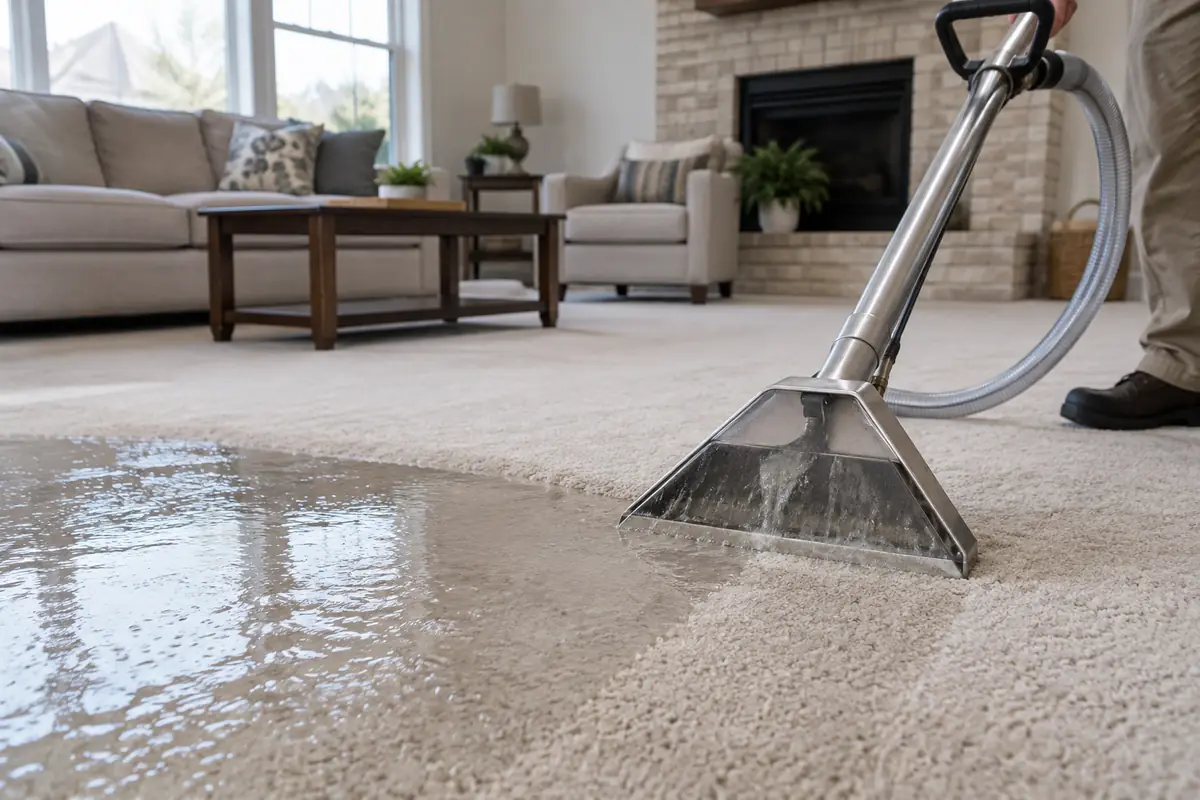
- Water extraction. Pumps handle deeper standing water, and extraction units pull water out of carpet, pad and hard floors.
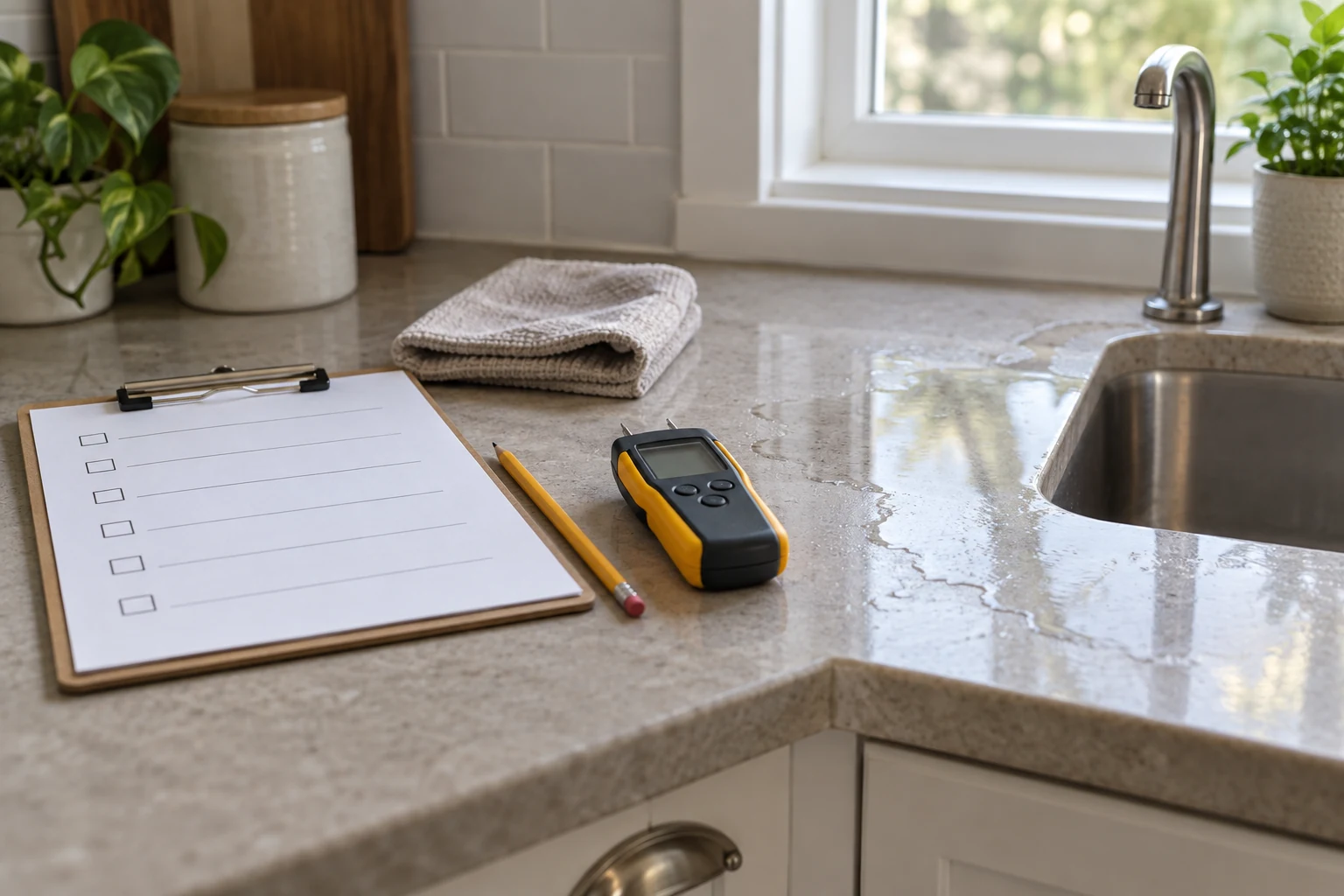
- Moisture mapping. Moisture meters show where water has wicked into drywall, baseboards, cabinets and subfloor, so hidden wet spots are not missed.
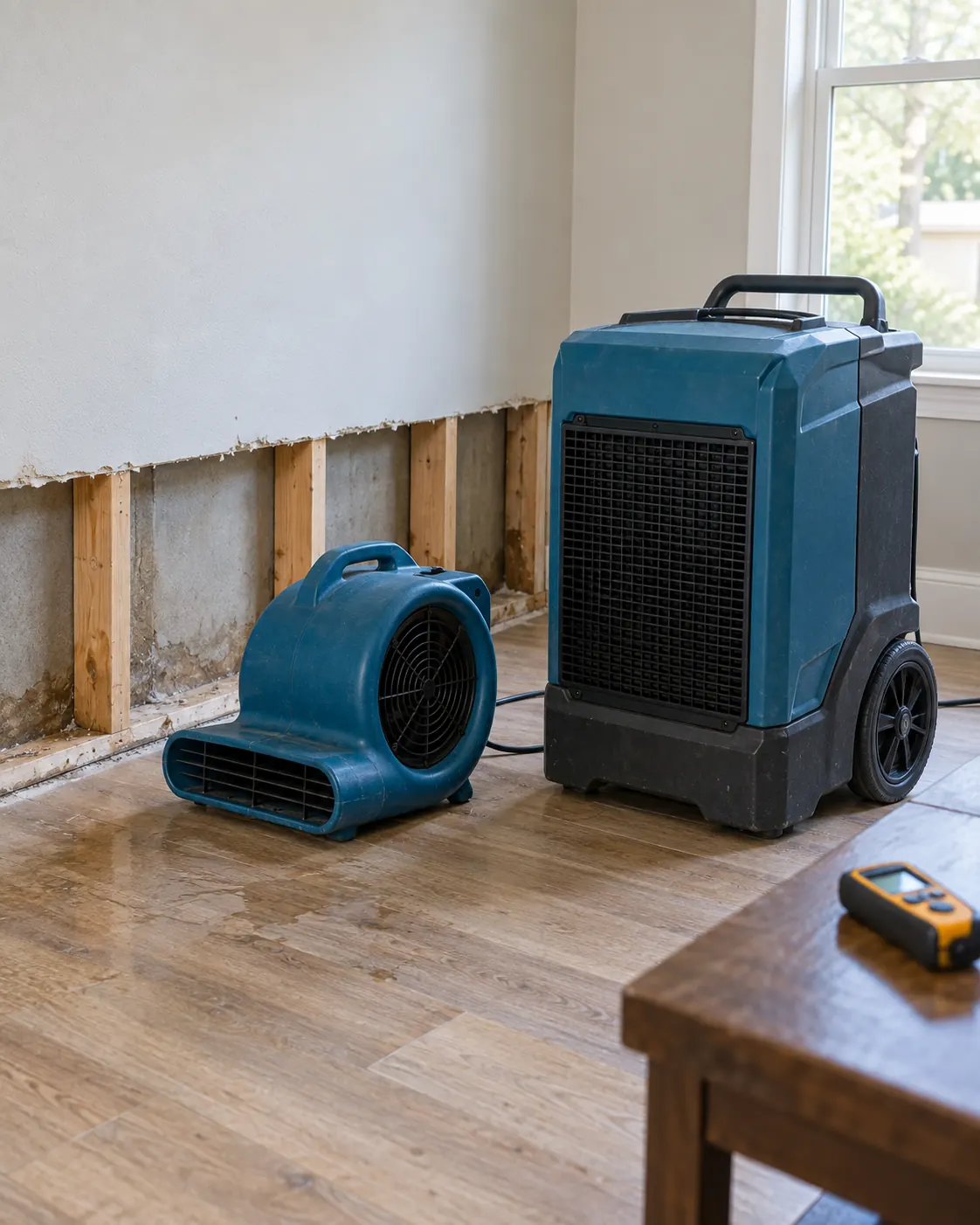
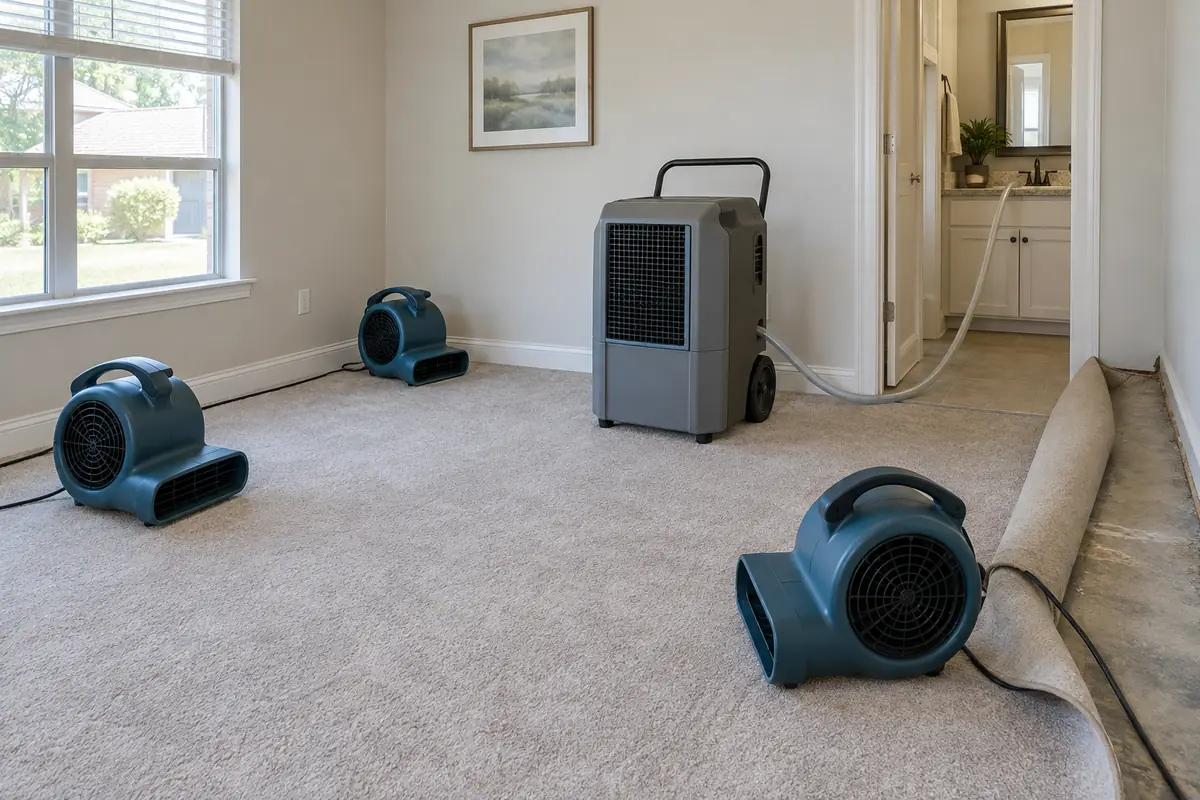
- Drying setup. Air movers and dehumidifiers go in to dry what can be saved, and wet material that cannot be dried is marked for removal.
- Photos and readings. Ask for photos and moisture readings of the damage as the work goes. Your insurer will want them.
Signs You Need Emergency Water Removal
- Water pooling on the floor or rising through the carpet
- Carpet or pad that squishes underfoot
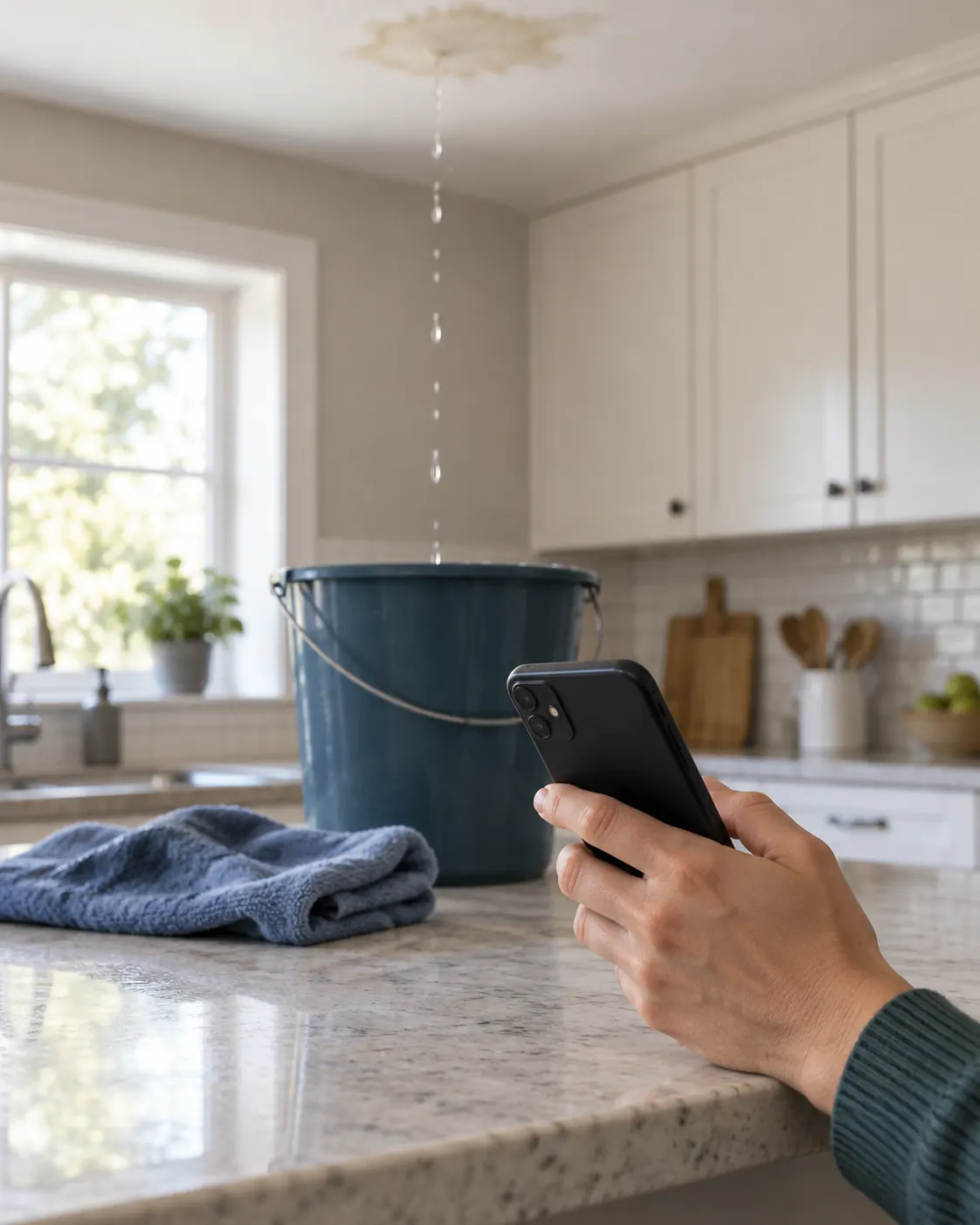
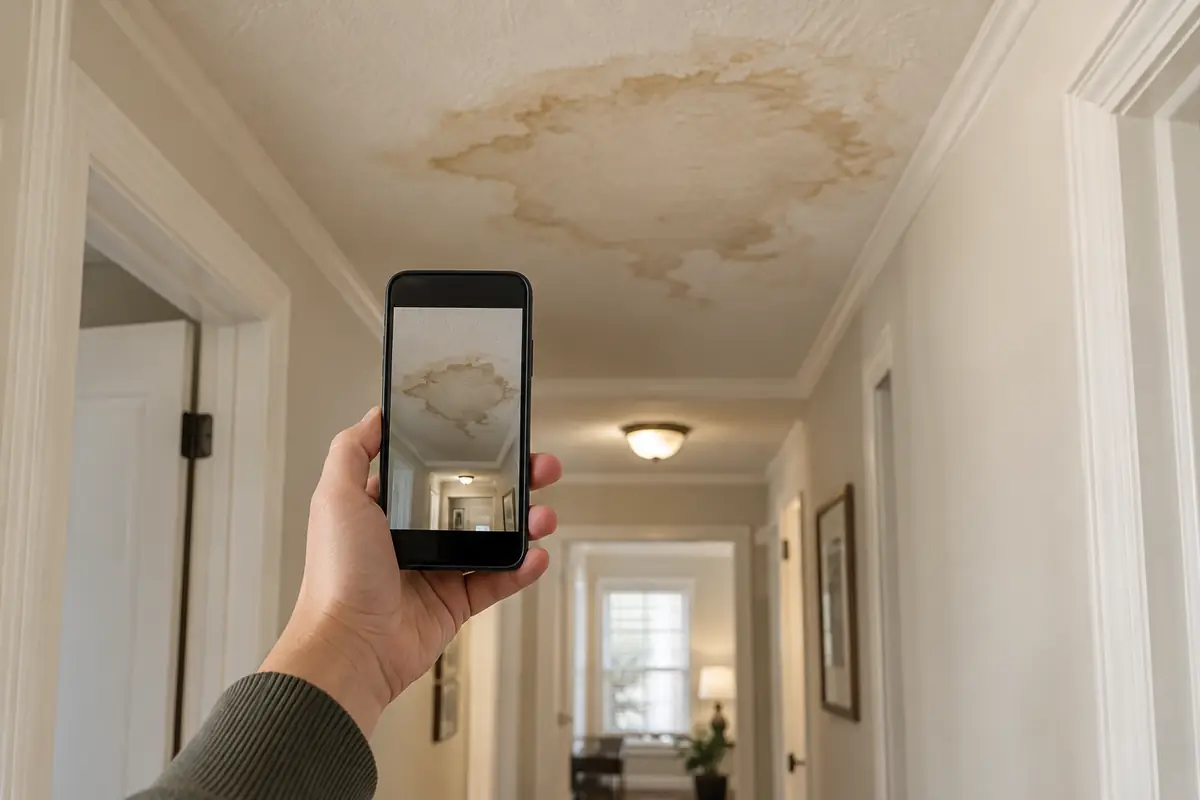
- Water dripping through a ceiling or light fixture, or a ceiling that sags (leave that room)
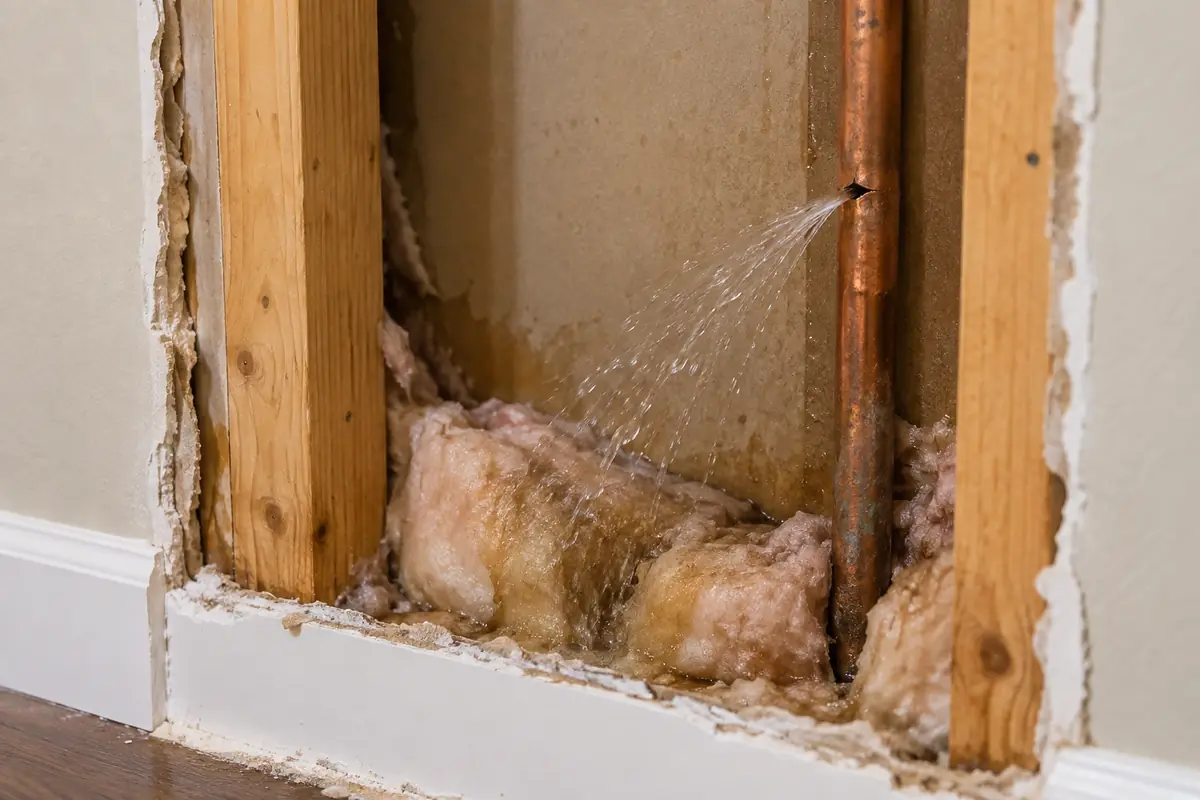
- A burst pipe, failed water heater or washer hose that ran before anyone found it
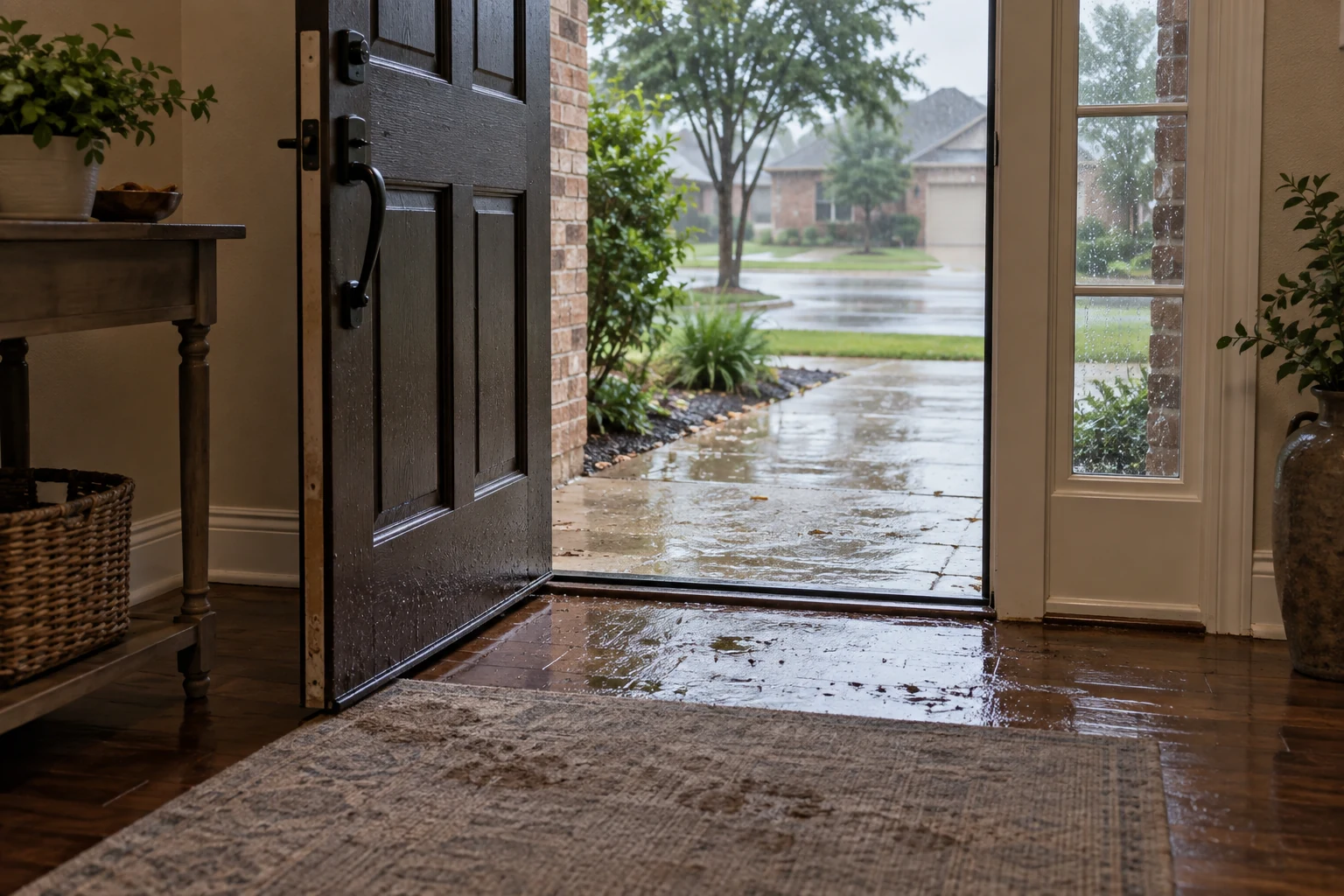
- Storm water or lake flooding that got inside the house
- Water that has spread into more than one room or under walls and cabinets
Our Water Removal Process
- Call us, day or night. Tell us the Garland address, where the water came from, how deep it is and which rooms it has reached.
- Safety and the source. Your tech checks power, ceilings and the type of water first. If the source is still running, it gets shut off or a plumber is called.
- Water out. Standing water is pumped out, carpet, pad and floors are extracted, and the wet areas are mapped with a moisture meter.
- Drying starts. Air movers and dehumidifiers go in, and moisture readings are rechecked until the materials are dry.
What Affects the Cost of Water Removal in Garland
There is no flat price for emergency water removal, because no two water losses are the same. These are the things that move the price:
- How much water, and how many rooms. One room of wet carpet is a different job from a flooded first floor.
- Where the water came from. Clean supply-line water is simpler to handle than a sewer backup or outside floodwater, which needs protective gear and more material removal.
- What got wet. Carpet and pad, hardwood, laminate, drywall and cabinets each dry differently, and some have to come out.
- How long it sat. The longer water sits, the further it wicks into walls and subfloor.
- Drying time. How many days the drying equipment needs to run.
For emergency water removal, one of our local restoration partners will walk you through the scope and the price before any work starts. For typical ranges, see our water damage restoration cost guide.
Why Choose Ray Hubbard Restoration
- Calls answered 24/7. Pipes burst at 2 a.m. and on holidays, and someone always picks up.
- Local service coverage around the lake. Garland, Rowlett, Rockwall, Sachse, Mesquite and the rest of the Lake Ray Hubbard area.
- The price before the work. You hear the scope and the price before anything starts.
- Documentation for insurance. Photos and moisture readings taken along the way give you a clear record of the damage to share with your insurer.
- Extraction through drying. If the water reached a ceiling or walls and drywall, the same call covers the structural drying.
Water Damage and Your Insurance
Your insurance company decides what your policy covers. What you can do is give it a clear record. Photograph the damage before anything is moved or thrown out, keep damaged items until the adjuster has seen them when you can, and call your insurer early. The photos, moisture readings and written scope from the drying work add to that record. Our insurance and water damage guide lists what to gather.
Water Damage Safety Tips Before Help Arrives
Standing water is a safety problem before it is a cleanup job. Keep people and pets out of water near outlets, cords or appliances, and do not touch wet electrical equipment. If a ceiling sags or a floor feels soft, leave the room. Treat sewage or outside floodwater as contaminated, and keep children away from it (EPA flooded-home guidance).
If you can reach the shutoff valve safely, close it to stop the water. Then call. Timing matters: the EPA says wet materials dried within 24 to 48 hours usually will not grow mold.
Sources
Sources for emergency water removal, checked 2026-09-28.
Related Water Damage Services
Areas We Serve Around Lake Ray Hubbard
Our local restoration professionals cover Garland and the towns around Lake Ray Hubbard. Pick your town for local details.
Emergency Water Removal FAQs
How fast should standing water be removed?
As soon as it is safe to start. EPA guidance is to dry wet materials within 24 to 48 hours to help prevent mold, and water keeps wicking into drywall, baseboards and subfloor the longer it sits. Call as soon as you find it, even at night.
Can I use a shop vacuum to remove the water myself?
For a small, clean spill on a hard floor, maybe. Never use electrical equipment while standing in water or near wet wiring, and do not try it with sewage or floodwater. A shop vac also cannot pull water out of carpet pad or show what has soaked into the walls.
Does homeowners insurance cover emergency water removal?
Often, when the water came from something sudden like a burst pipe or a failed water heater. Gradual leaks and outside flooding are usually treated differently, and flood coverage is a separate policy. Check your policy, call your insurer early and photograph the damage before anything is moved.
Why do you ask where the water came from?
The source decides how the water is handled. Supply-line water starts clean, while water from a toilet, sewer line or outside flooding can carry contamination, which means protective gear and removing porous materials instead of drying them.
Does water removal include fixing the leak?
Water removal and plumbing or roof repairs are separate jobs. Your technician stops what can be stopped and handles the extraction and drying. A burst pipe or roof leak may still need a plumber or a roofer.
Standing water in your Garland home? Call us any time, day or night.
Call (972) 975-6997